
How the Pentagon plays into Trump’s sprawling artificial intelligence ‘Action Plan’
America's AI Action Plan features 19 recommendations that involve the DoD, including the creation of a "virtual proving ground."
America's AI Action Plan features 19 recommendations that involve the DoD, including the creation of a "virtual proving ground."
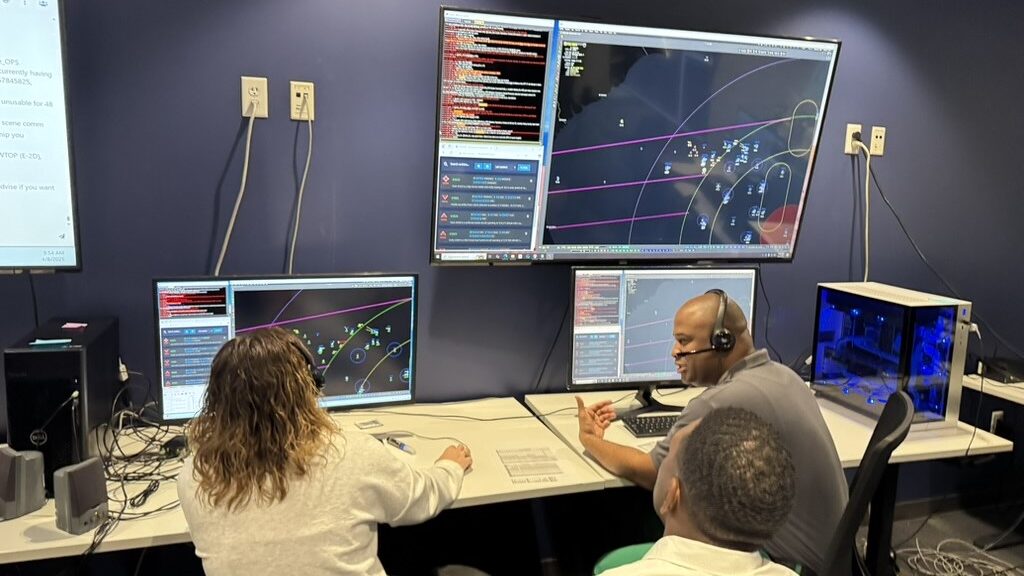
In the service’s inaugural DASH experiment, coders from both industry and the Shadow Operations Center - Nellis (ShOC-N) spent two weeks building "agentic AI" tools that staff officers then tried out in high-pressure conflict scenarios.


The initial command and control gateway to earn a continuous Authority to Operate is changing multi-domain operations.
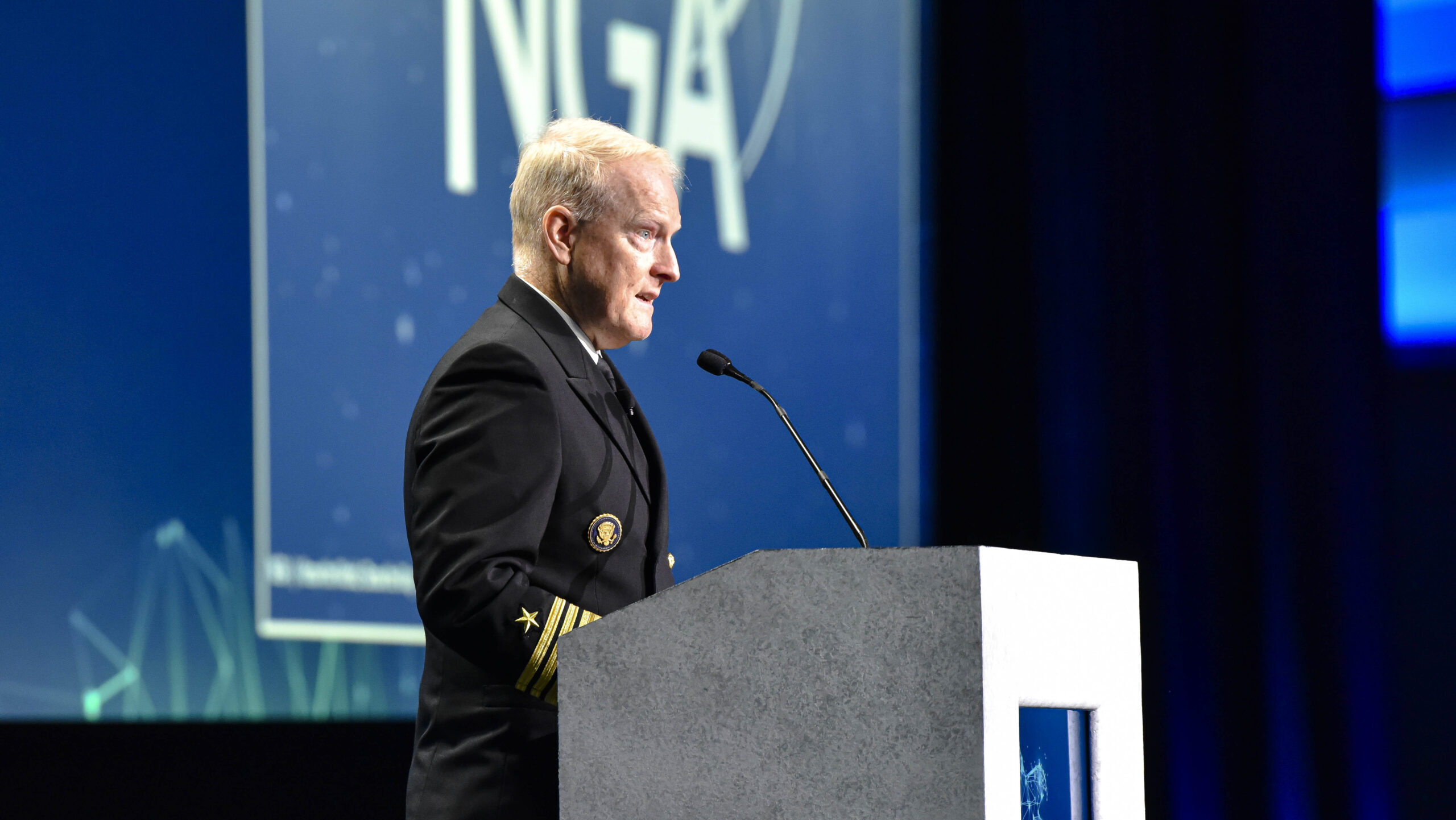
NGA puts a "template" on the products that "literally acknowledges … what you are looking at has not been touched by human hands,” said Director Frank Whitworth. “It's important [for] combat commanders and the Secretary and the President that they have that knowledge.”
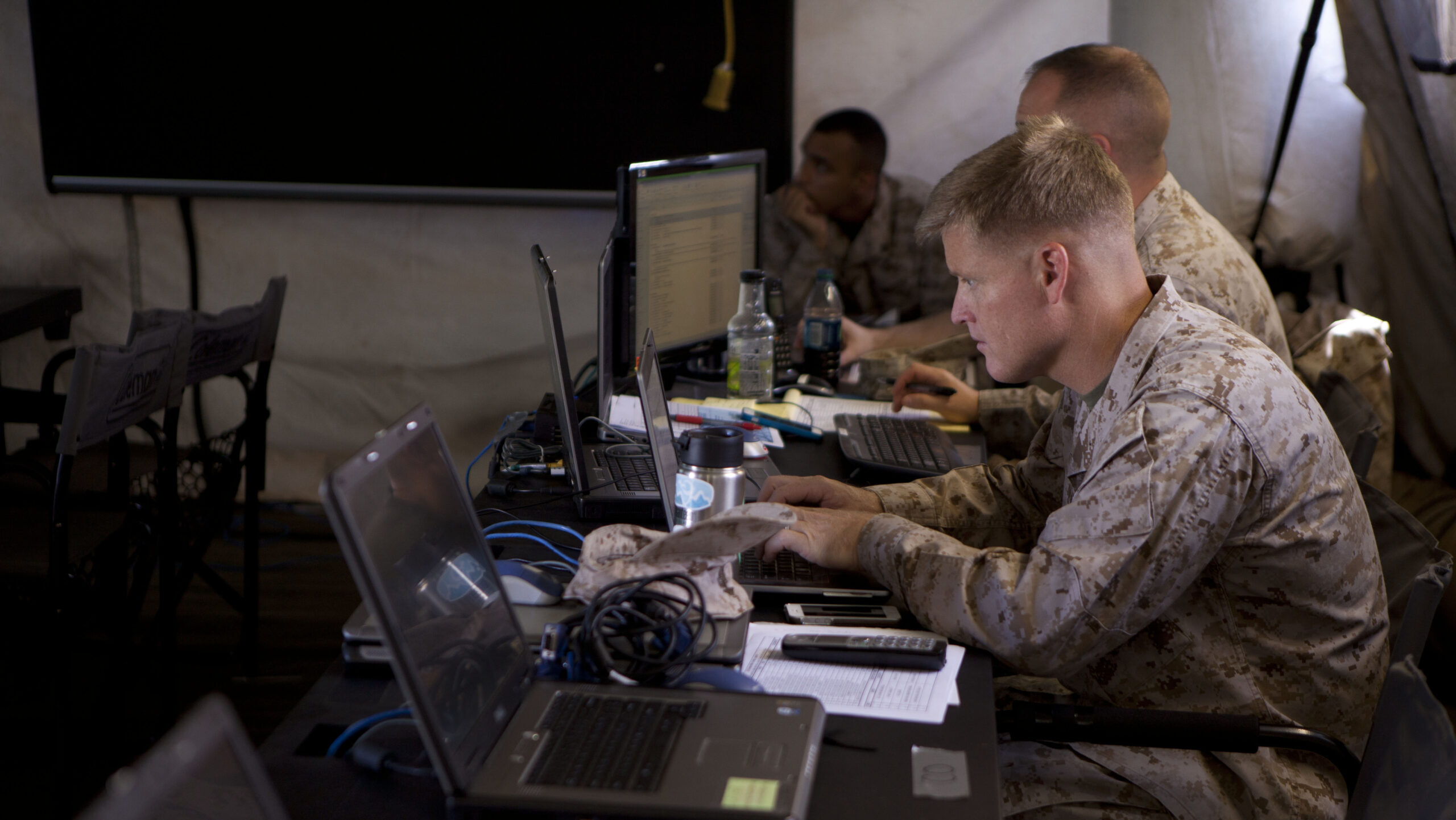
The USMC “Guidance on Generative Artificial Intelligence,” issued in December, takes a cautiously optimistic approach to chatbots and tells commands to stand up task forces to evaluate potentially useful GenAI.
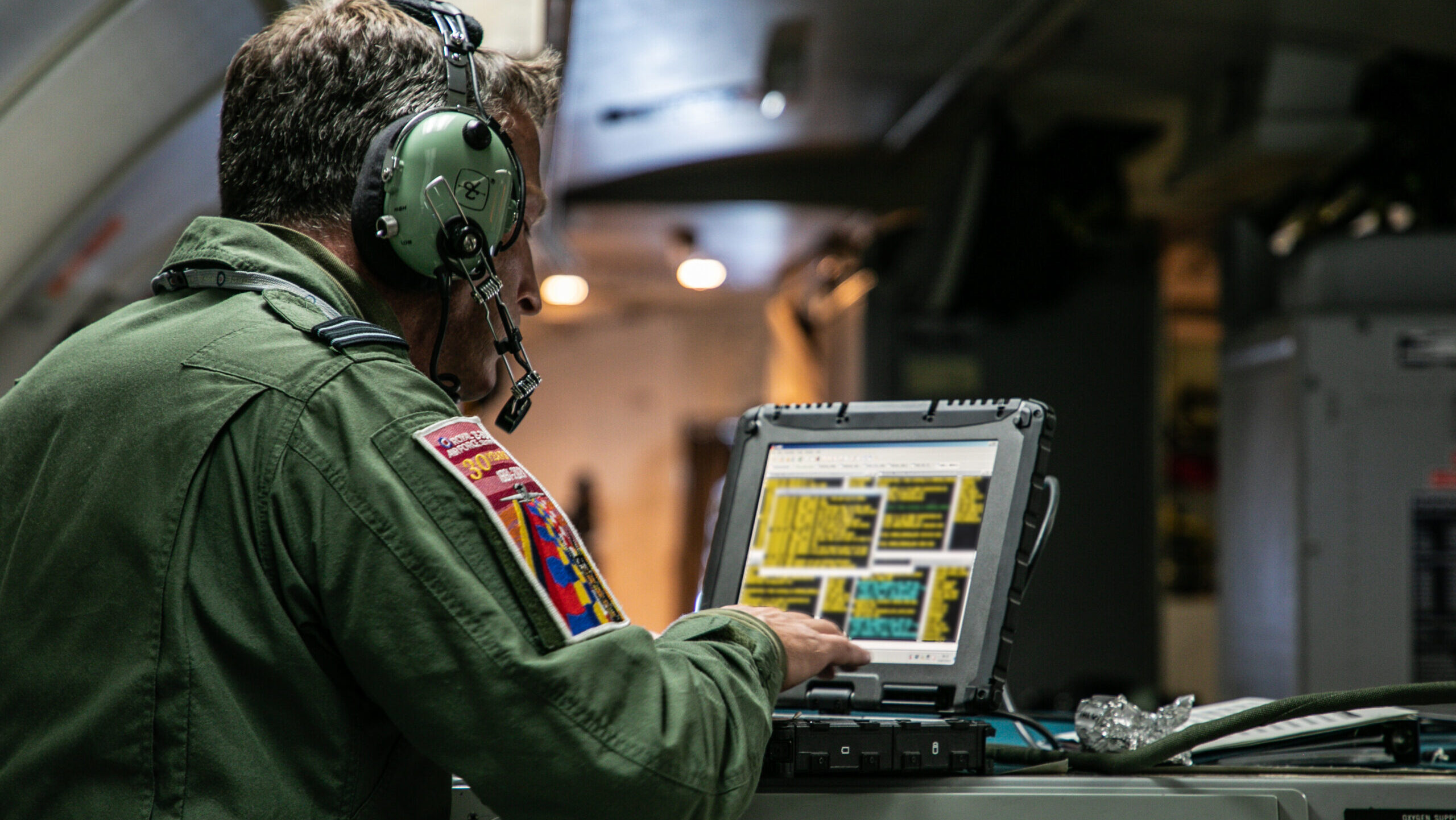
The Responsible Artificial Intelligence Toolkit — essentially an interactive online checklist on how to safely, ethically, and legally develop AI — will also be updated to incorporate last week’s National Security Memorandum from President Biden.
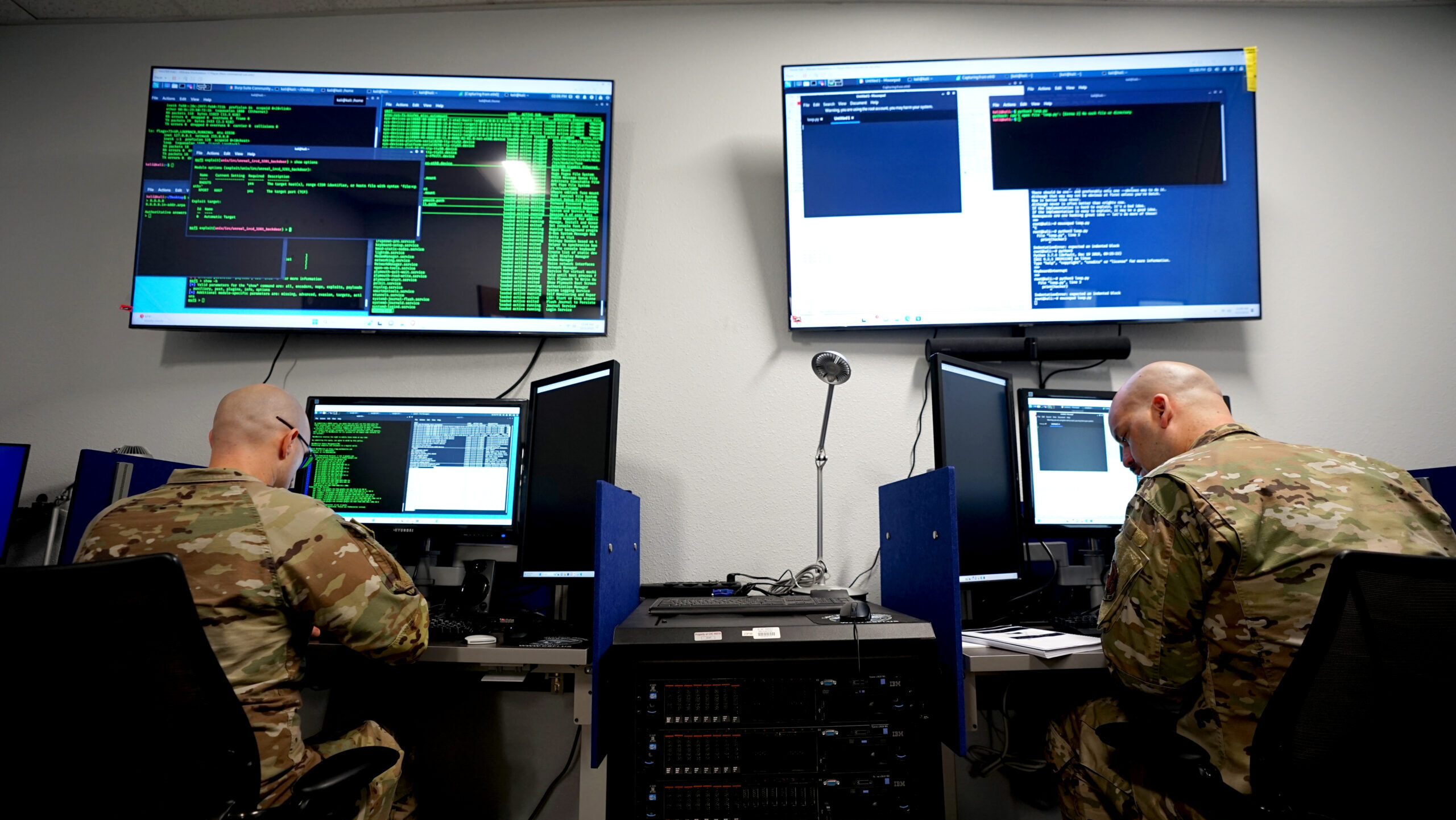
The policy imposes extensive safeguards on a host of AI applications, from intelligence reports and collateral damage assessments to cyber warfare and nuclear strikes.


Blending superior optics, advanced stabilization and AI-powered autonomy in a compact and rugged system, ASELFLIR 600 delivers unmatched intelligence, surveillance and reconnaissance (ISR) capabilities.

In the tech race with China, White House National Security Advisor Jake Sullivan argued, American ethics aren’t a hindrance: “It's a little bit counterintuitive, [but] ensuring security and trustworthiness will actually enable us to move faster, not slow us down.”

Data labeling is key to enabling the AI model to properly separate friend from foe, explained Vice Adm. Frank Whitworth.

“Whatever weapon systems we employ have to be consistent with the laws of armed conflict. The problem isn’t that. We know what those rules are and I think we know how to impose them on our systems,” said Air Force Secretary Frank Kendall. “It’s who do you hold accountable.”
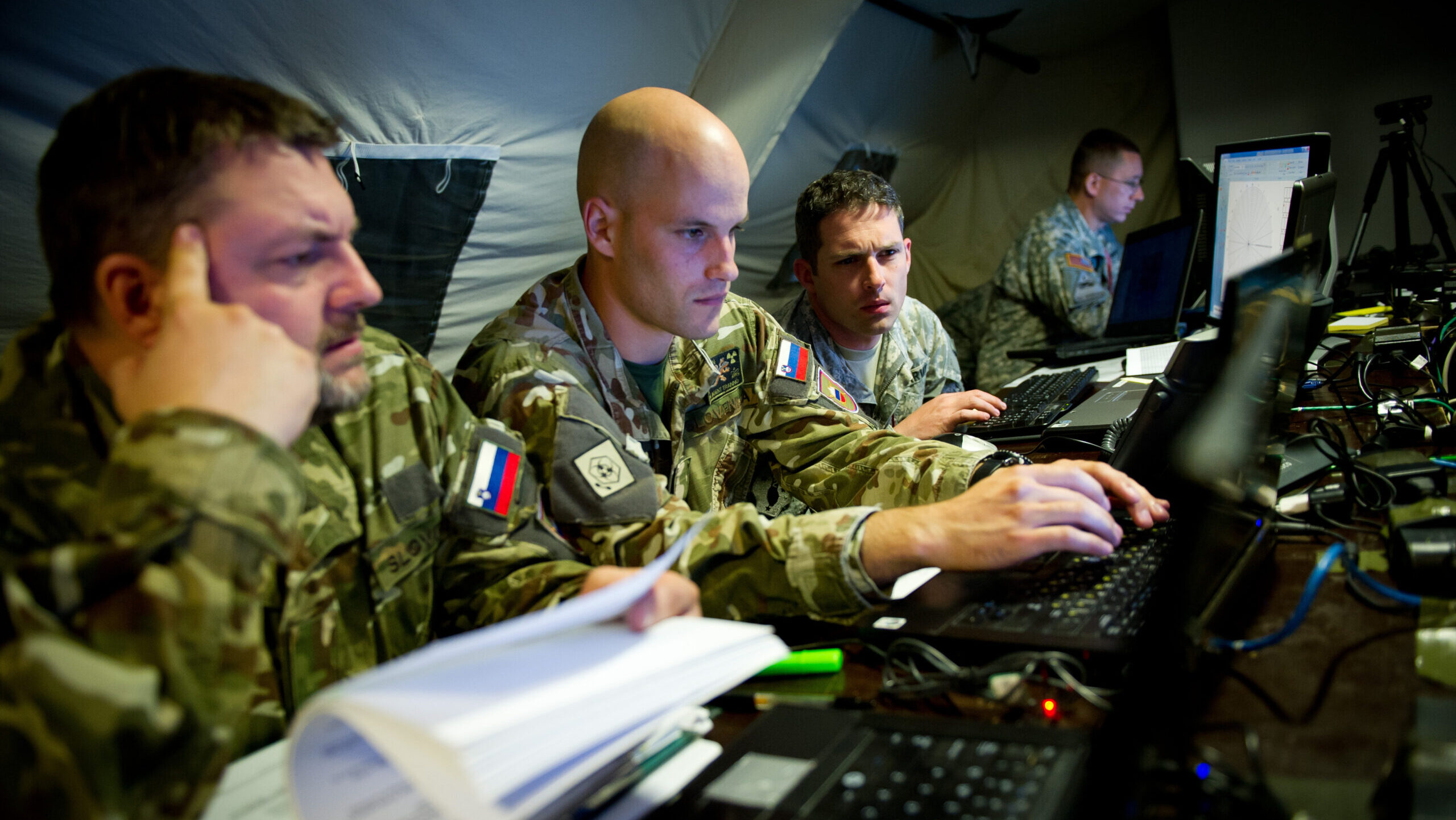
While generative AI can churn out dangerous disinformation, the revised AI strategy warns, it has so much potential upside that “It is vital for NATO to use these technologies … as soon as possible.”
Michigan’s defense ecosystem and expertise makes it a special asset for production.

Mid-level officials from the NSC and State Department will lead the talks, which follow on Xi-Biden summit last November. No public joint statement is expected, let alone a formal agreement.
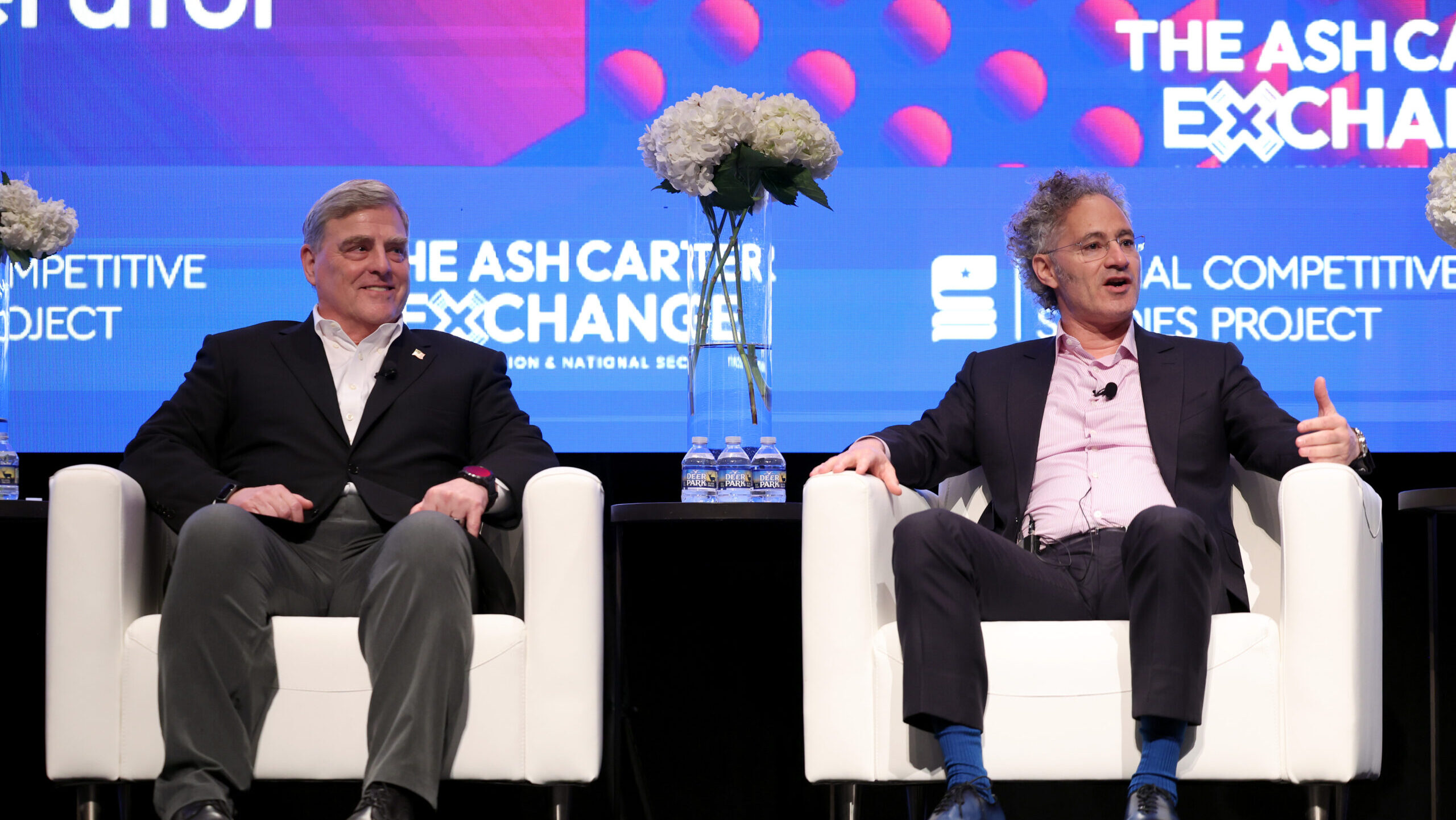
"How are we going to reduce civilian deaths to the smallest amount humanly possible?" asked Palantir's Alex Karp this week. "That is a tech problem.”

Two US officials exclusively tell Breaking Defense the details of new international "working groups" that are the next step in Washington's campaign for ethical and safety standards for military AI and automation - without prohibiting their use entirely.

Even if China doesn’t agree to or abide by new “confidence-building measures,” CNAS scholar Tom Shugart says, the US and its allies should adopt them unilaterally to reduce the risk of accidents or worse in the West Pacific.