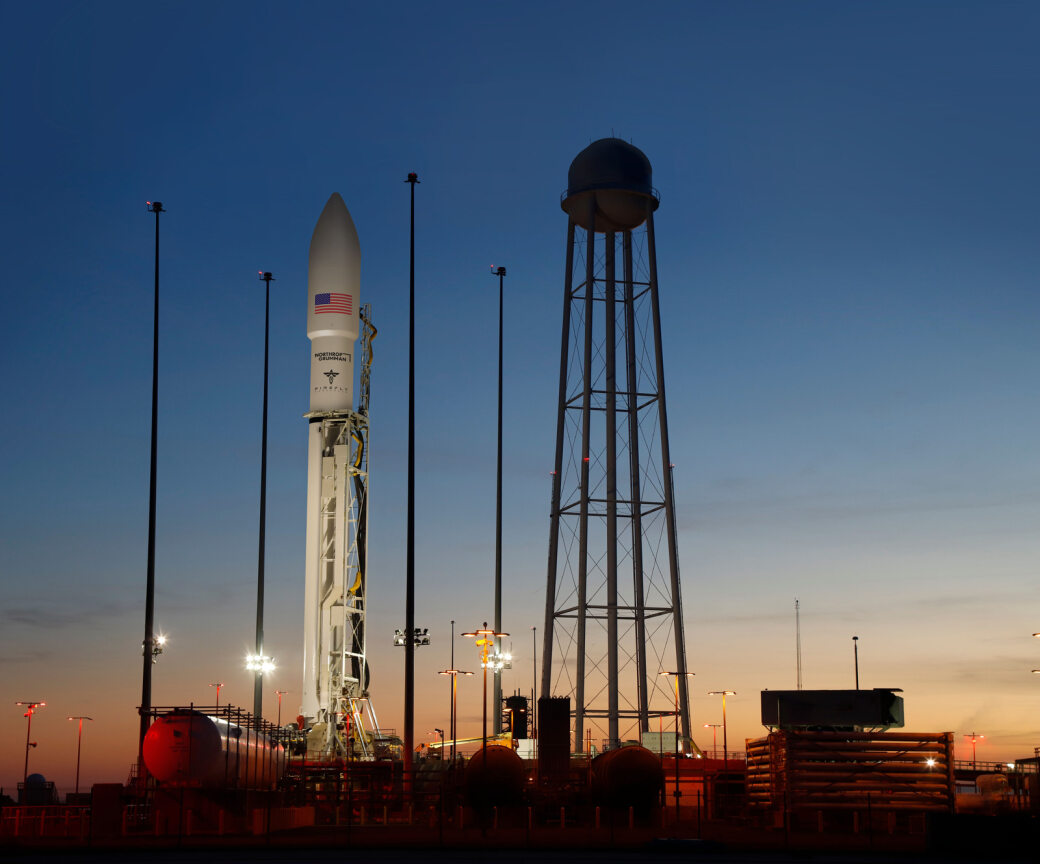
Rocket development builds on tried and true heritage for new orbital missions
With Russian engines out of the picture, there’s a new Medium Launch Vehicle on the horizon that is US sourced with a fairing sized to launch constellations.
With Russian engines out of the picture, there’s a new Medium Launch Vehicle on the horizon that is US sourced with a fairing sized to launch constellations.
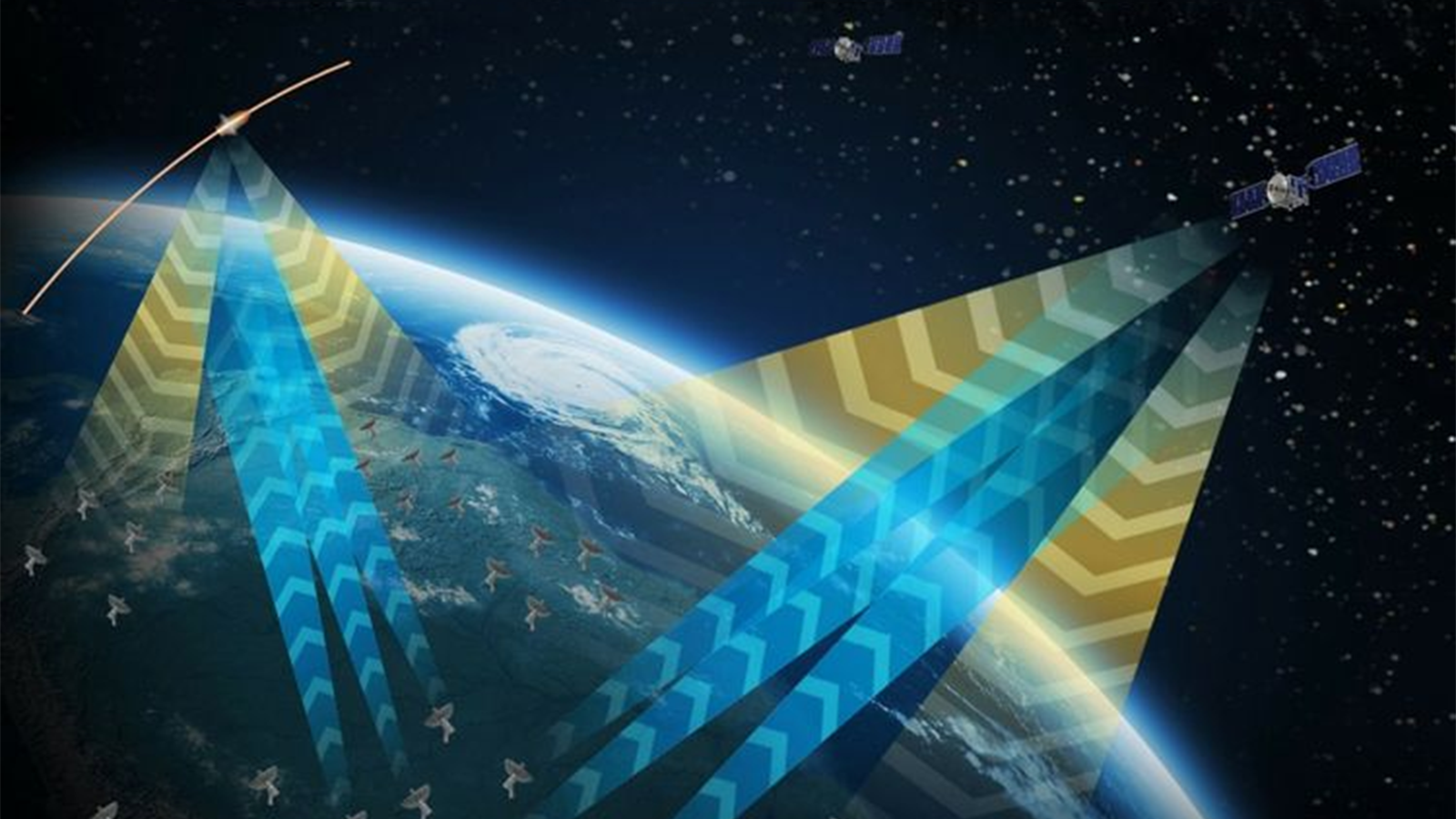
The SPACECOM list includes almost $704 million for three unnamed classified programs, as well as $90 million to fund a trio of classified Navy electronic warfare-based "counterspace" capabilities.
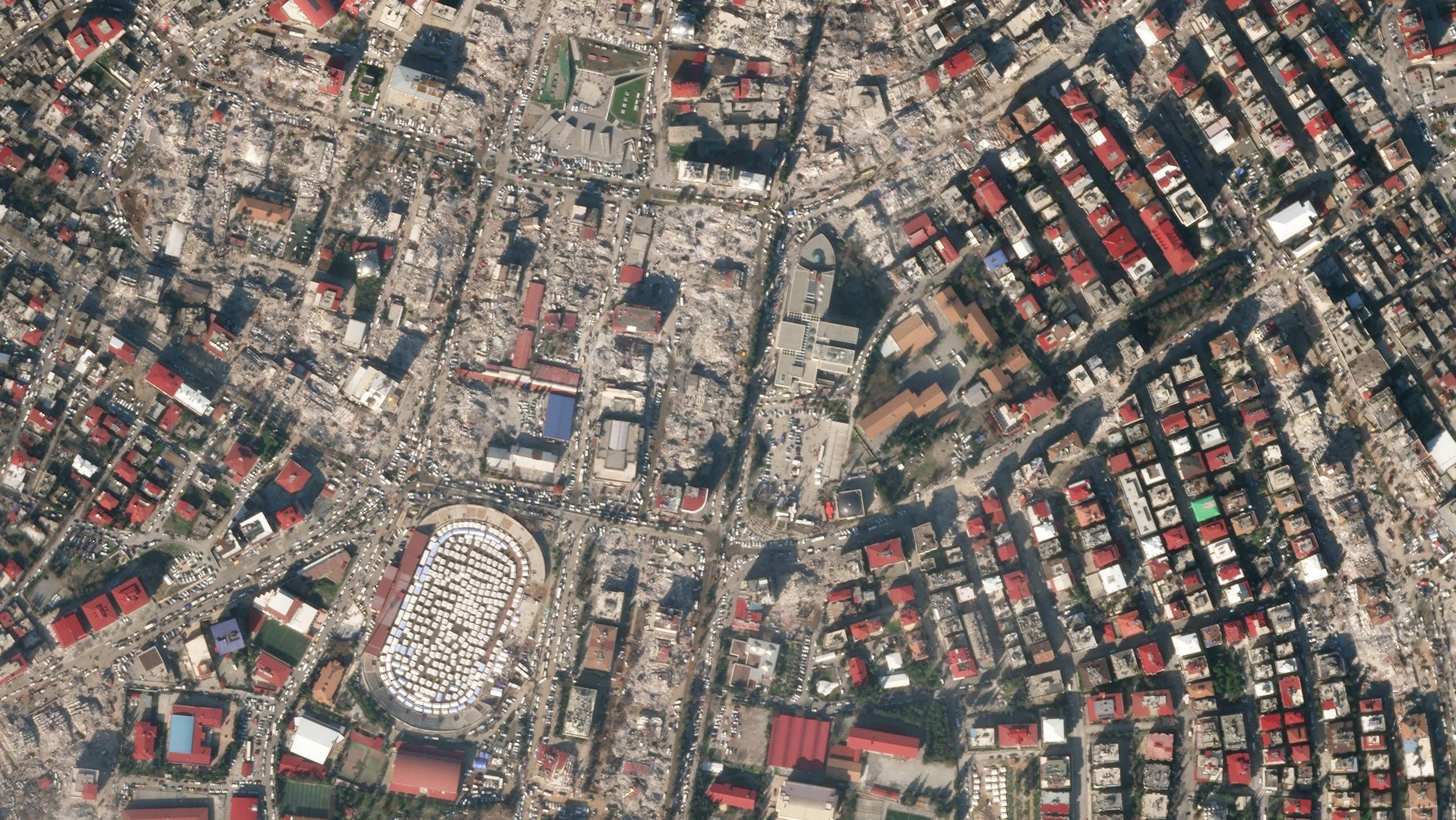
More than a dozen sources tell Breaking Defense that tensions between the NGA and Space Force are rising on commercial ISR, with White House officials watching closely.
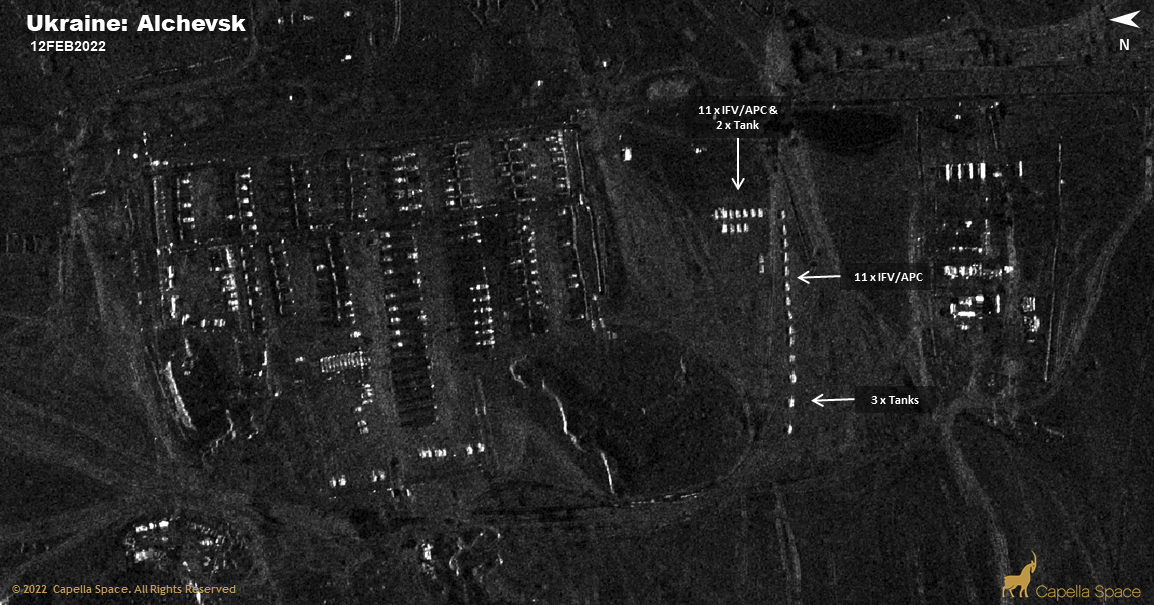
The executive branch is "still talking through exactly what the scope and scale" of any new NRO program would be, but the "intent" is to "more cost effectively leverage" commercial capabilities "over the longer term," said NRO's head of commercial programs Pete Muend.
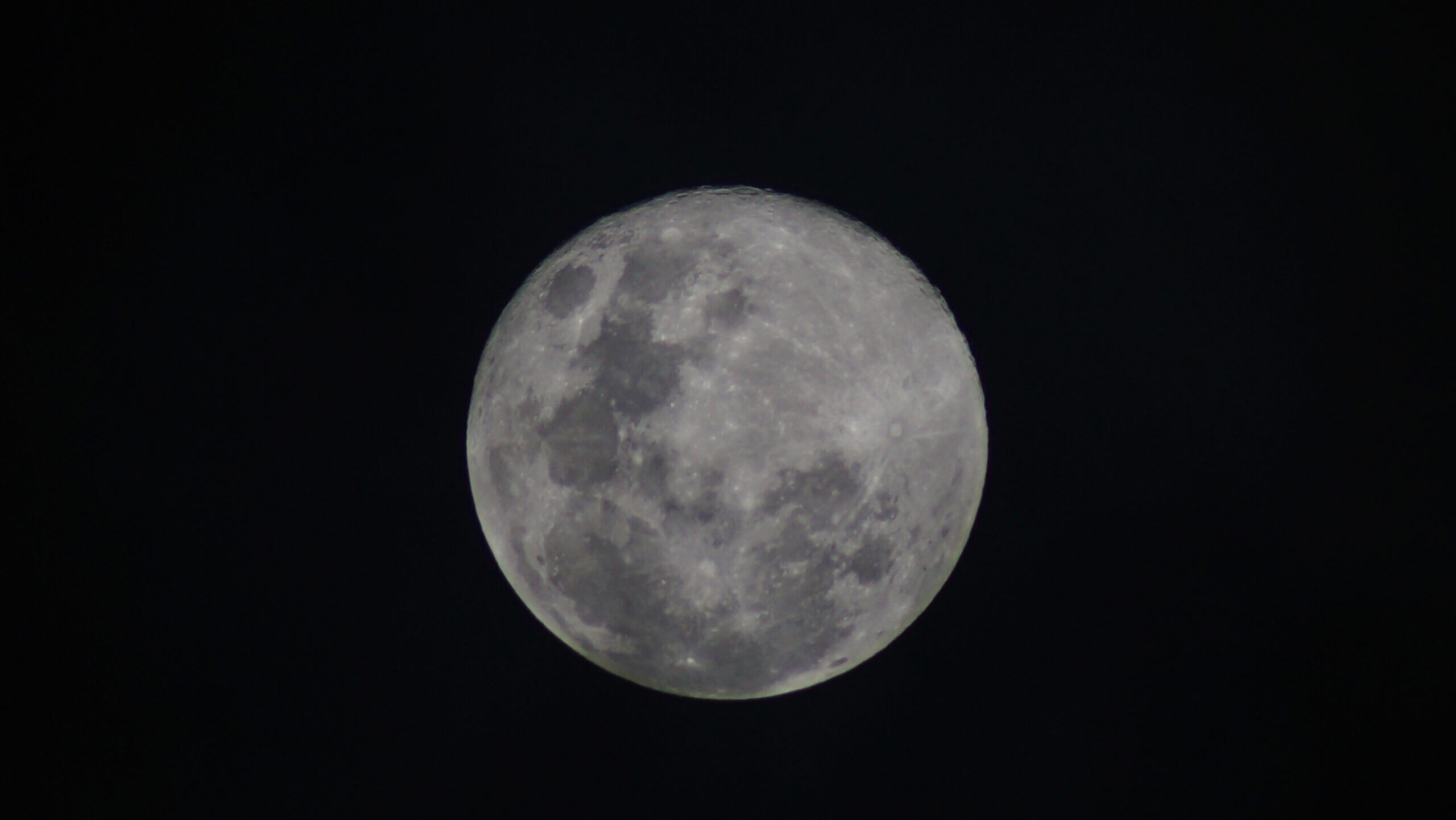
"The envisioned lunar railroad network could transport humans, supplies and resources for commercial ventures across the lunar surface," according to Northrop Grumman's announcement.
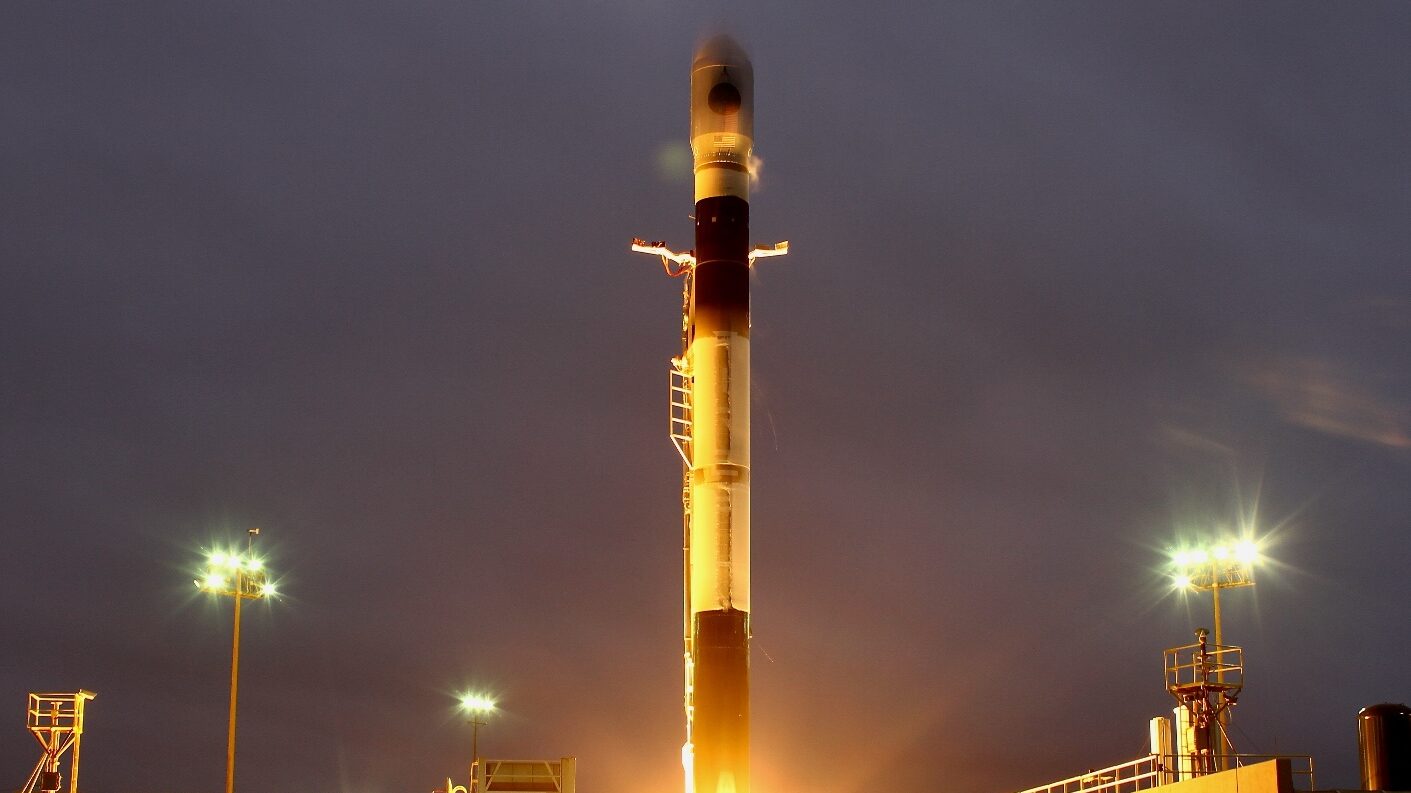
"This will be a modified mission from the Victus Nox mission," David Ryan, space portfolio manager at the Defense Innovation Unit said, noting that "there are two parts of the mission, and DIU is working on a single part with Space Safari."

Troy Meink, NRO principal deputy director, explained that the decline in launch costs is one of two critical factors in allowing NRO to begin to diversify its on-orbit force structure to include both "large and small satellites" using multiple orbital domains.
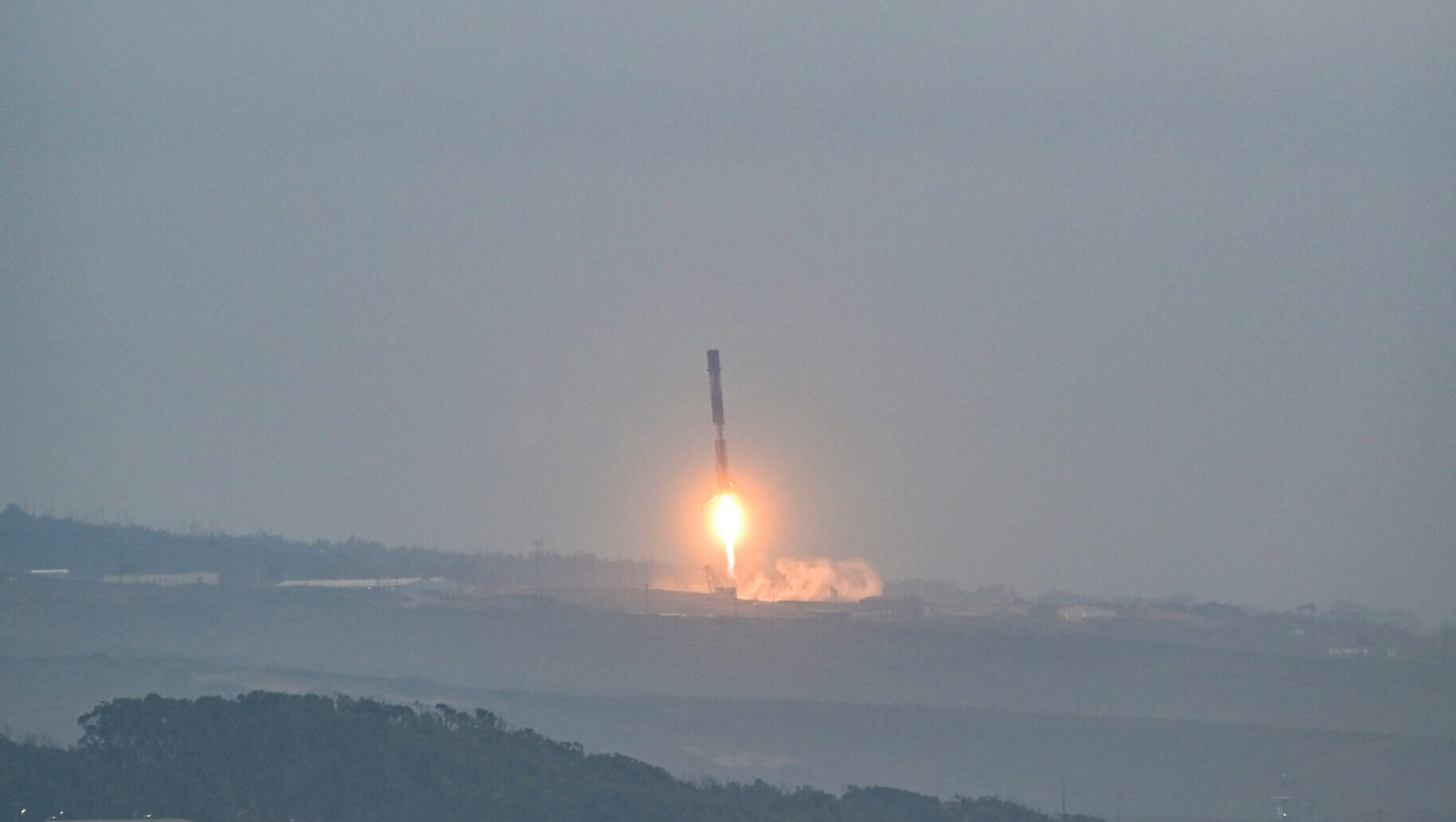
"By the end of next year, we'll have 126 Link 16 satellites that are operational on orbit," said SDA Director Derek Tournear.
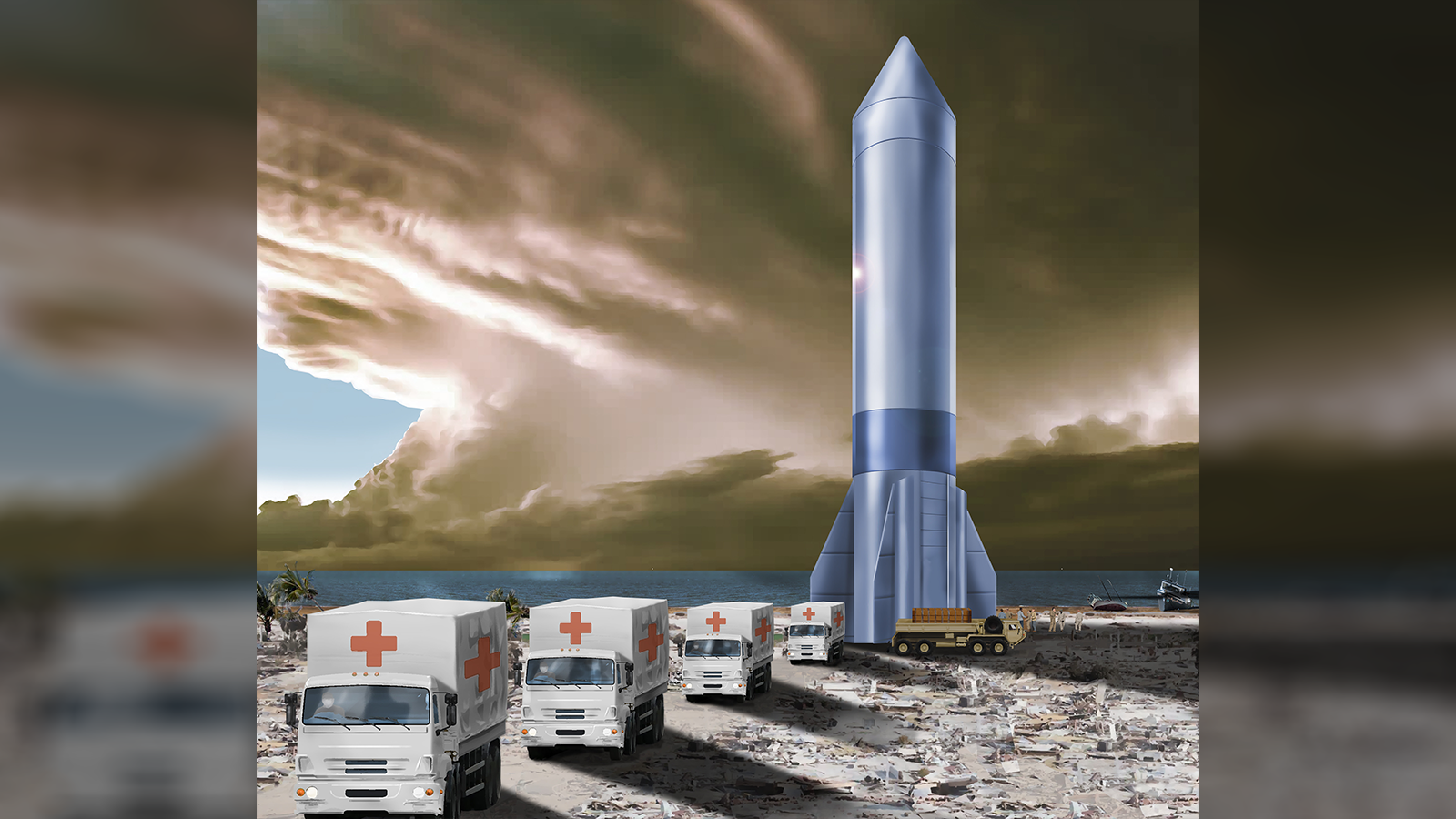
The investment in transitioning Rocket Cargo "is focused on utilizing vehicles that traverse from or through space to transport DoD materiel anywhere around the world within tactically responsive timelines," the Space Force's FY25 budget request says.
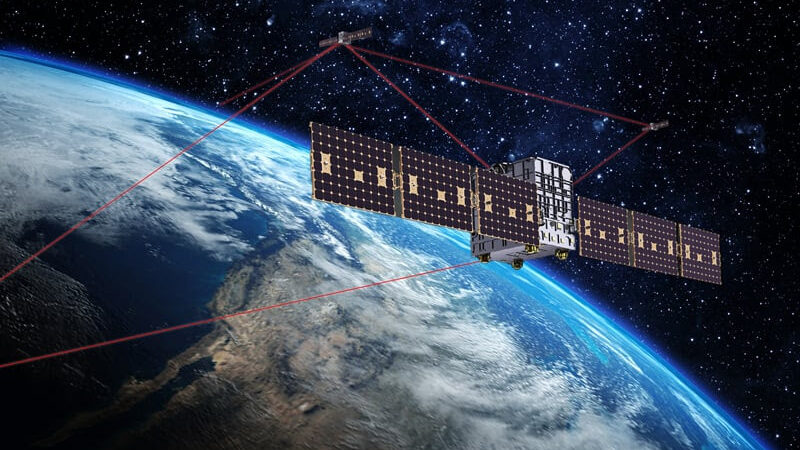
SDA is asking for $357 million for FY25 launch services, down from the nearly $530 million in FY24. Those funds would pay to manifest four planned launches of the Tranche 2 Transport Layer satellites in 2027.
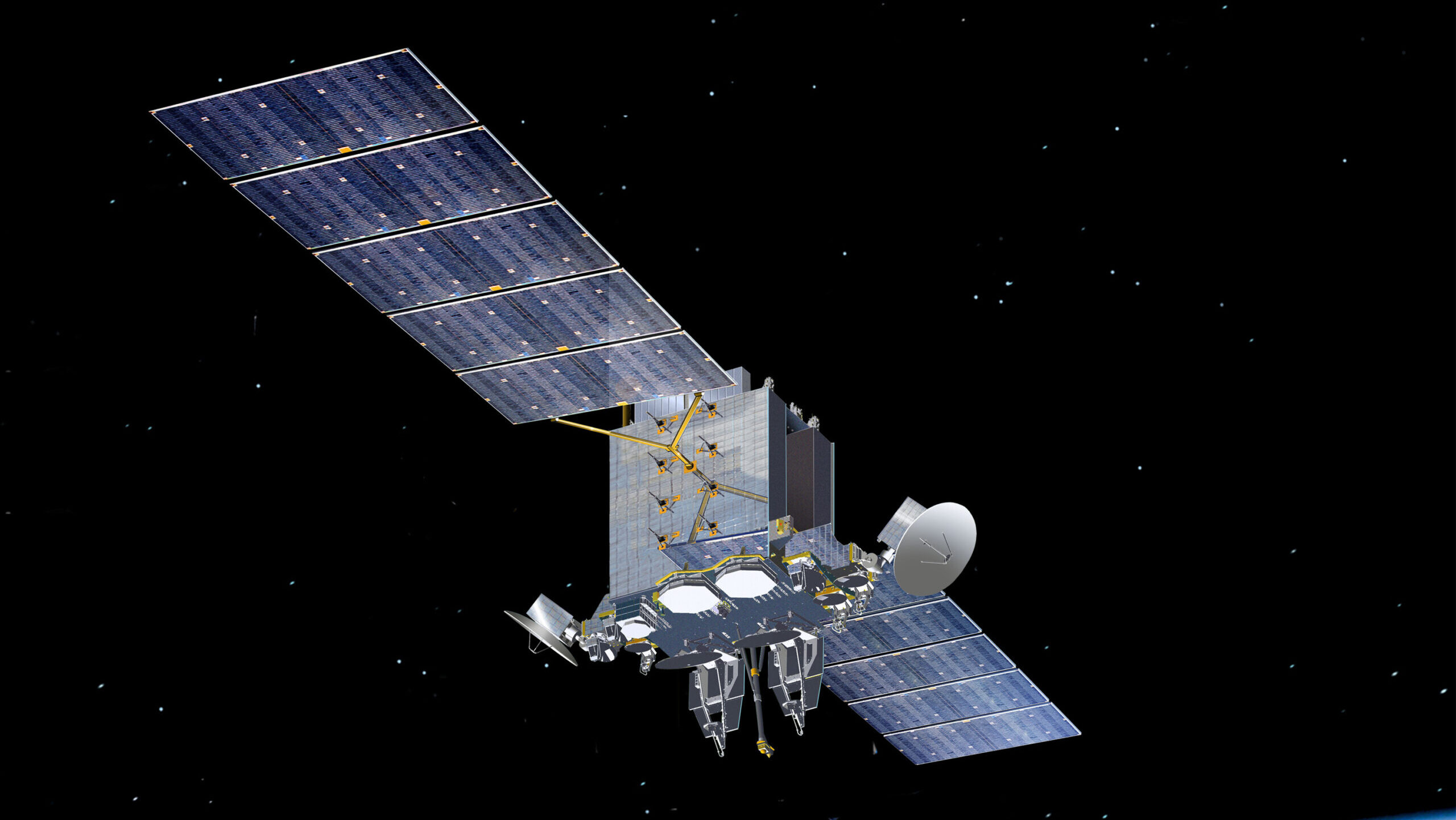
Maj. Gen. Michael Greiner said that the Space Force's initial plans are to develop four new Protected Tactical SATCOM-Global satellites, although those plans could change as the program is a new start for FY25.
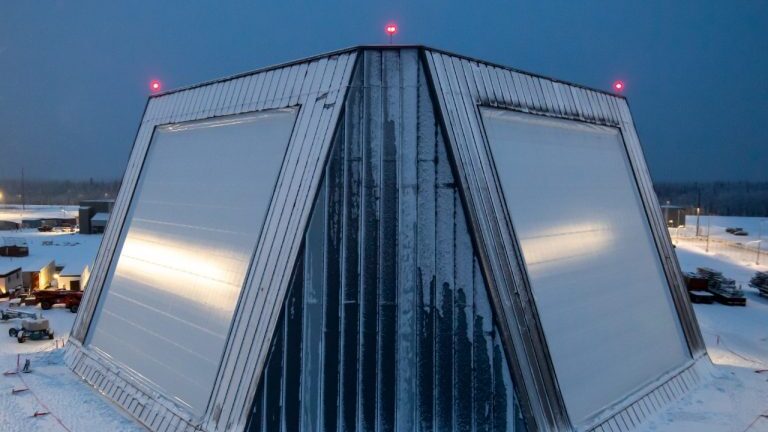
The MDA request includes $105 million for the Long Range Discrimination Radar (LRDR), slightly more than the $103.5 requested in FY24. LRDR, deemed a critical capability by US Northern Command (NORTHCOM)/NORAD leaders, will transfer to the Space Force to begin operations in FY25.

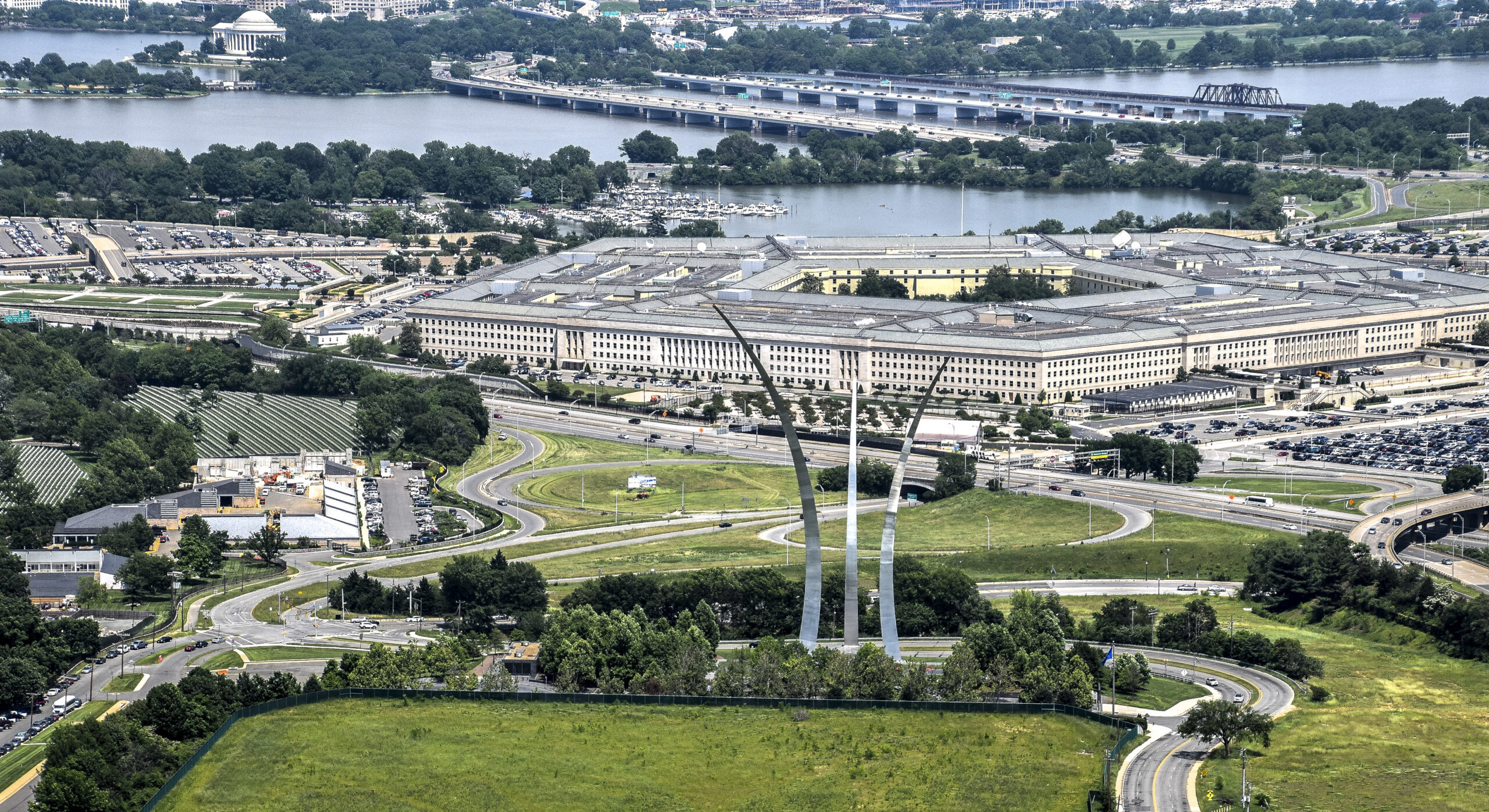
Breaking Defense has you covered for all the news of the Pentagon's fiscal 2025 budget rollout, and this handy landing page of our stories will get you where you need to go.
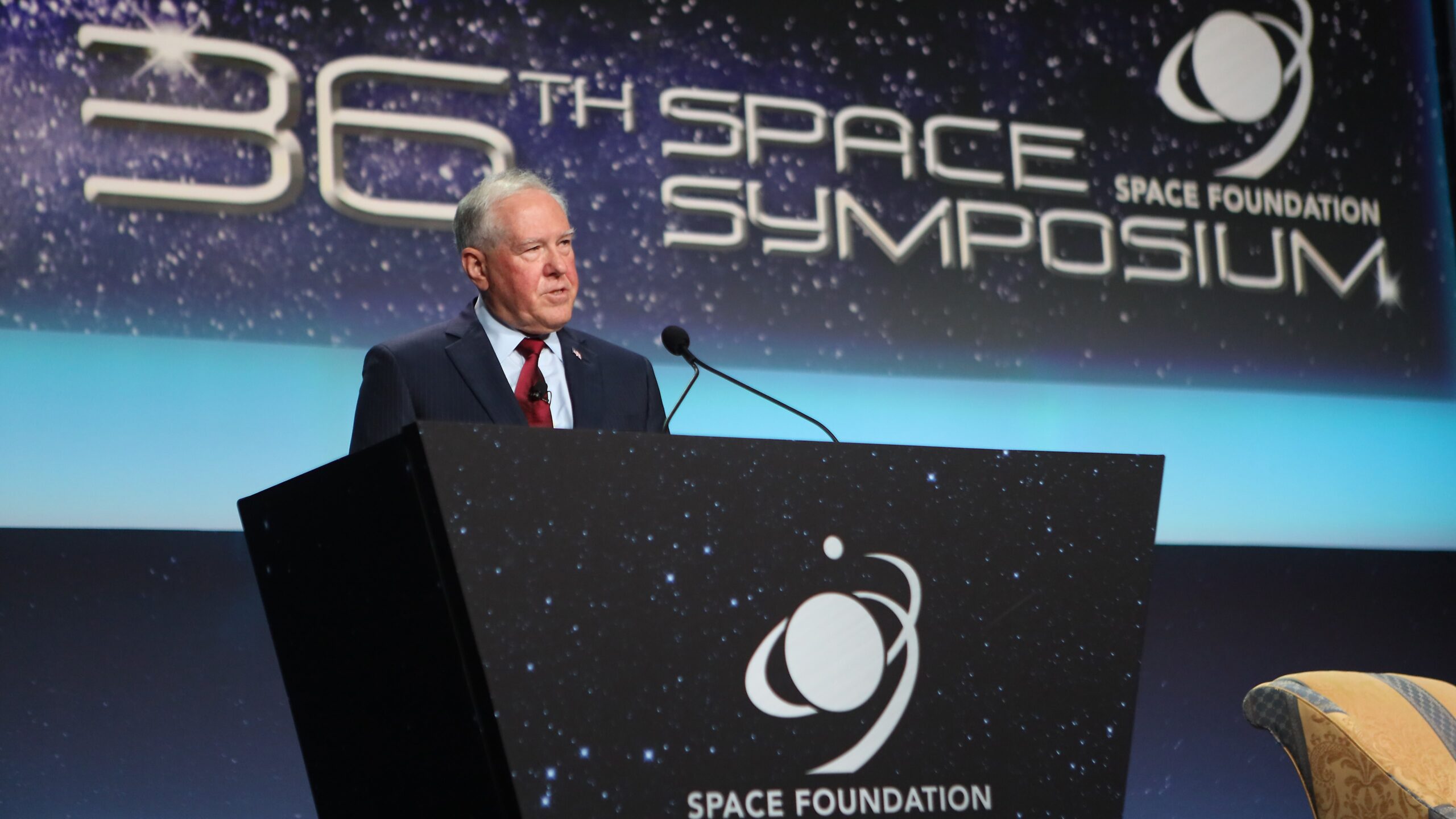
Air Force Secretary Frank Kendall explained that the "small decrease in the number for the Space Force" isn't itself quite reflective of reality, as there are mitigating circumstances that lessen the blow.
“We kind of depend on having [that] ‘24 bill finish and finish in a way that looks a lot like what we asked for. Otherwise, we're going to have to go back to the drawing board on a couple of fronts,” said a senior defense official.