
Army sees 3D printing taking off ‘very, very soon’
From printing thousands of drone “bodies” to hundreds of vehicle components, the land service sees a host of opportunities from additive manufacturing.

From printing thousands of drone “bodies” to hundreds of vehicle components, the land service sees a host of opportunities from additive manufacturing.

Maj. Gen. Borys Kremenskyi told a ground vehicles conference his military is ready to “test” any options industry has to offer.


Blending superior optics, advanced stabilization and AI-powered autonomy in a compact and rugged system, ASELFLIR 600 delivers unmatched intelligence, surveillance and reconnaissance (ISR) capabilities.
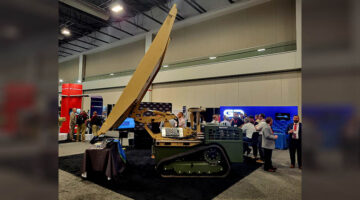
“The Marine Corps wanted basically anything that could be a modular payload on a robot. They wanted a laundry list of capabilities...," said GS Engineering's Traci Webb.

Sponsored by the Army, Deep Orange is a vehicle prototype program in which Clemson students design, engineer and build a new ground platform each year.
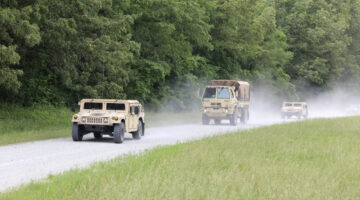
"We don't use a tank for everything, and we shouldn't use a COTS [commercial off-the-shelf] product for everything," said Anduril's Chris Orlowski.

Brig. Gen. Michael B. Lalor, head of the Army Tank-Automotive & Armaments Command (TACOM), told Breaking Defense this week the service plans to break ground in FY25 on the Long Range Precision Fires Facility at Watervliet Arsenal, NY.
Michigan’s defense ecosystem and expertise makes it a special asset for production.

“I am personally no longer interested in hearing about COVID. That time is over, okay? It is time to deliver and produce and meet the commitment,” Brig. Gen. Michael Lalor said at GVSETS 2024.

Acquisition official Young Bang said it would otherwise take “forever” to comb through data from program competitors General Dynamics Land Systems and American Rheinmetall Vehicles.
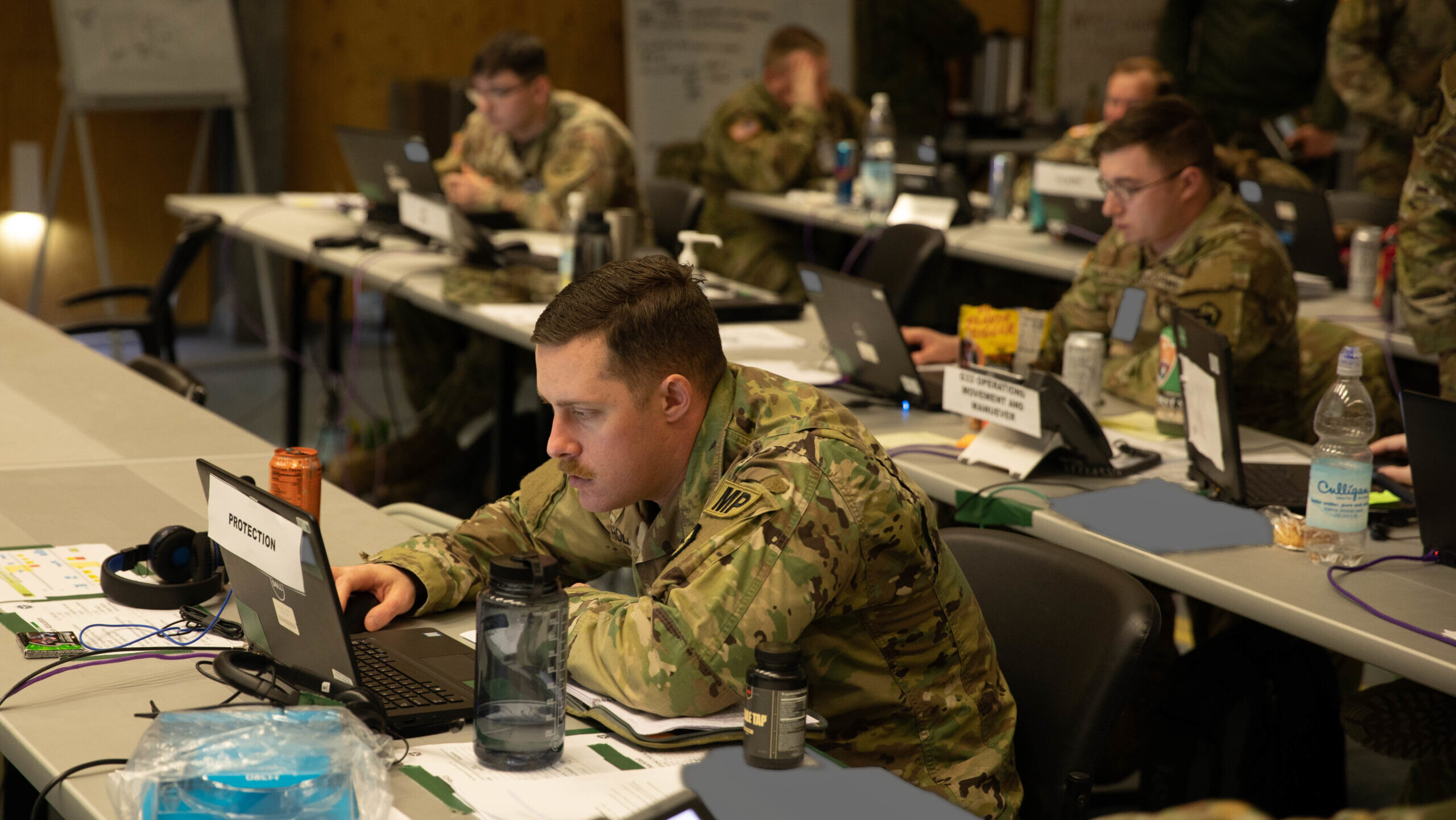
The branch intends to use AI to improve the operation of sensors, ground vehicles and aviation as well as training capabilities. It is also interested in counter-AI and attack AI solutions.

Challenges related to software, communication and mobility of UGVs have been a concern for the branch. The bureaucracy involved in procurement processes also hampers efforts to deploy uncrewed platforms into convoys.


The service has been conducting several R&D and procurement programs to prepare its vehicles to succeed in extreme weather conditions.

The semi-autonomous, optionally piloted, high-speed, off-road platform to be a “research platform” for cutting edge tech.

The OIB comprises 23 depots, arsenals and ammunition plants owned by the government.
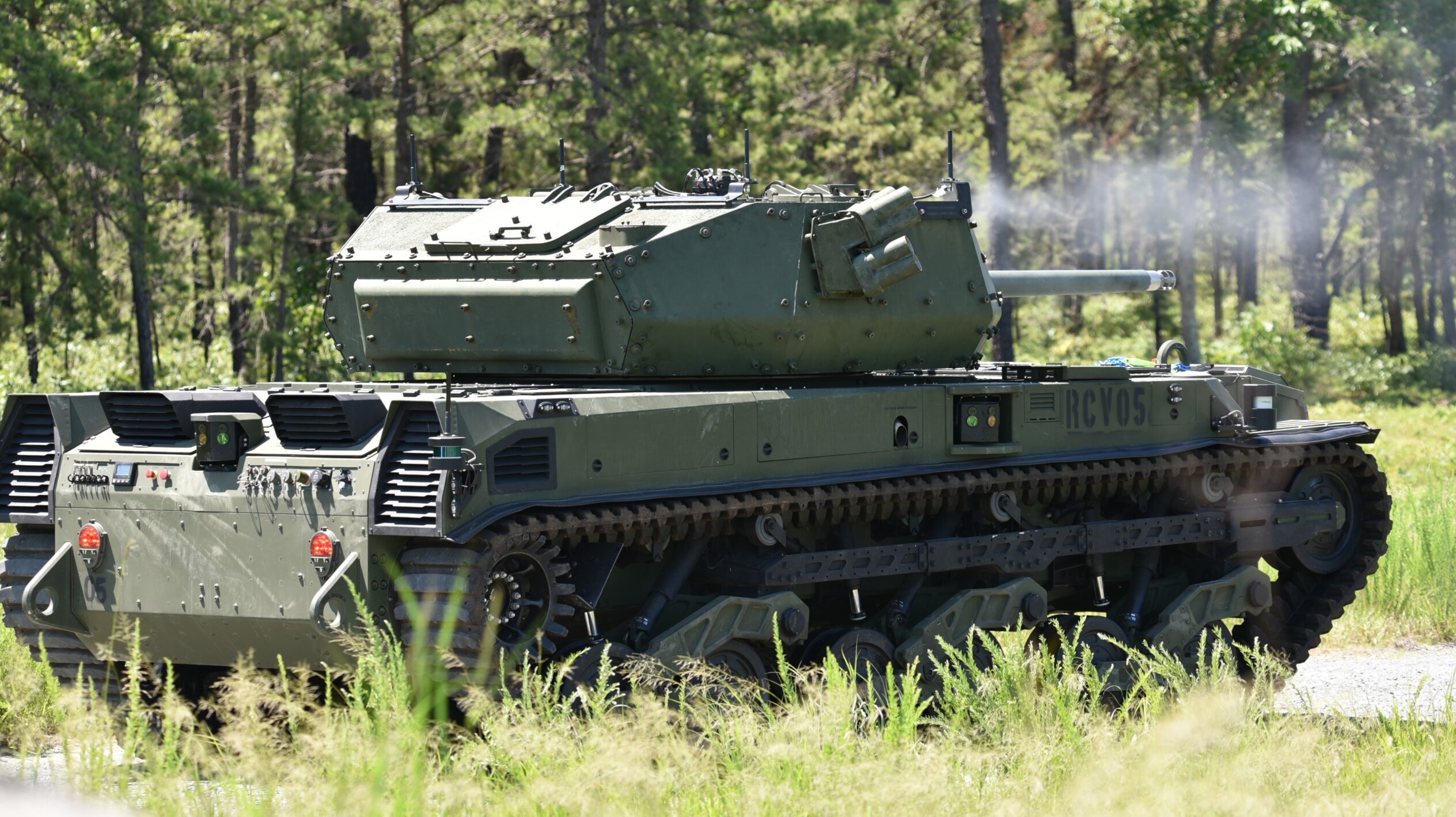
The Army plans to select up to four vendors for the designing, prototyping, and building a lightweight, easily transportable robotic platform.