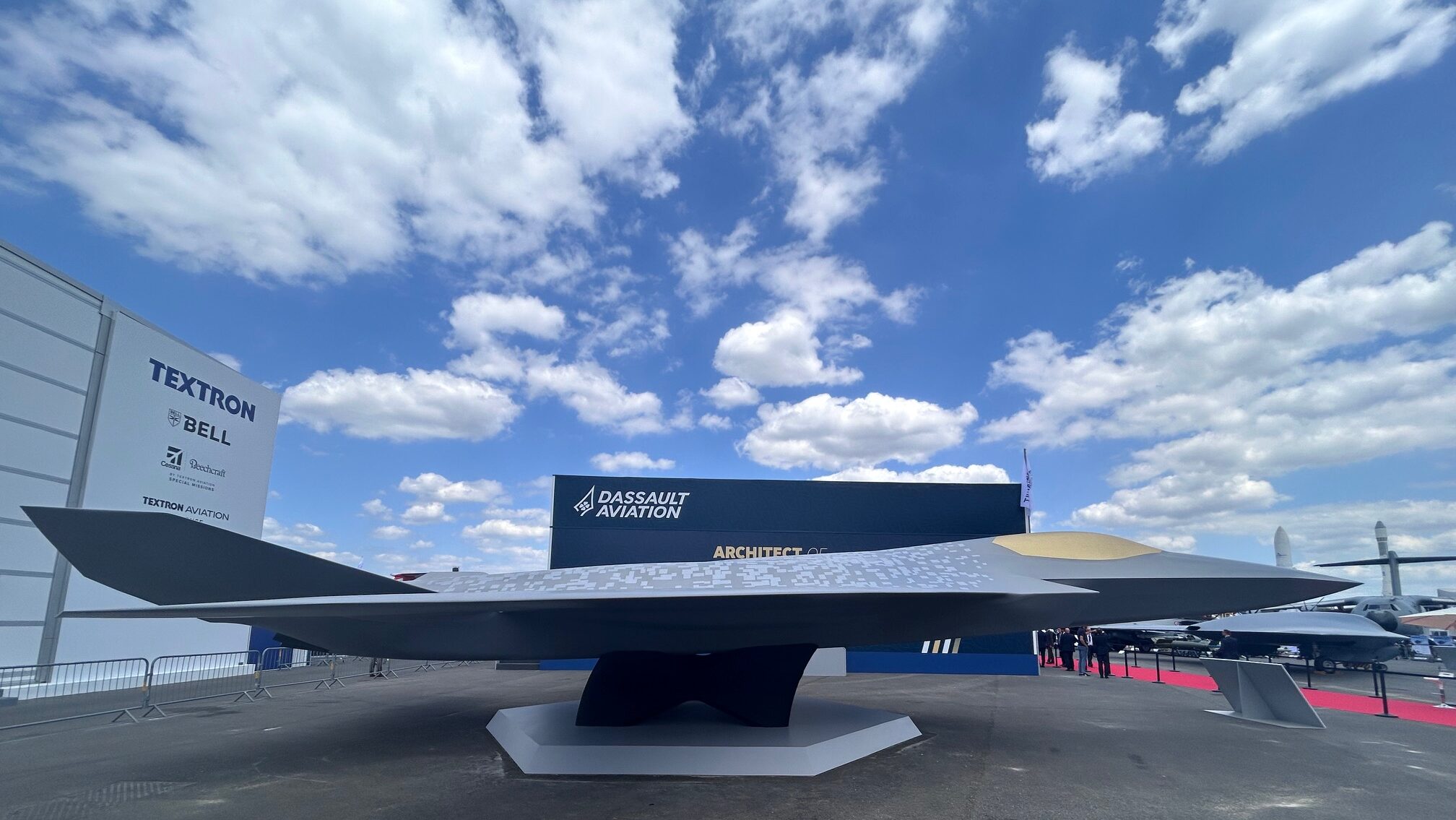
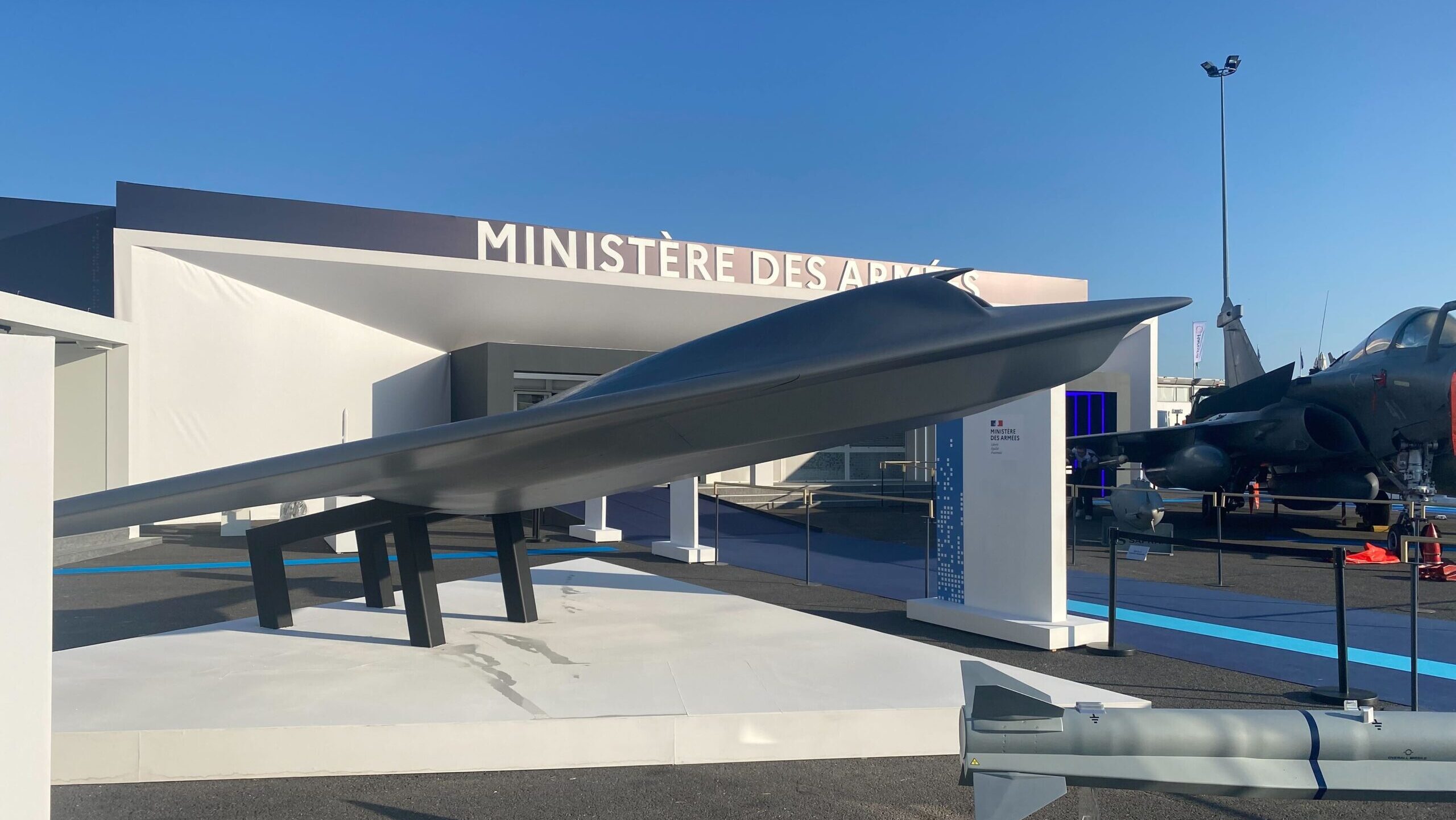
Dassault exhibits a mock up of the French, German, Spanish Next Generation Fighter at the Paris Air Show (Breaking Defense)
PARIS AIR SHOW — Industrial problems between Airbus and Dassault are again playing havoc on the French, German and Spanish-led Future Combat Air System (FCAS), with the two firms struggling to get on the same page during an ongoing technology development phase, according to a top Airbus official.
“Clearly, we have observed with this [1B] phase, difficulties in the execution and facing the problem there are different ways to look at it, different types of problem statements,” Jean-Brice Dumont, head of air power at Airbus Defence and Space, told reporters during a company media briefing at Le Bourget today. “We have to go faster. I think that’s one key motto of the program. We have to accelerate.”
While “we are not stopping [phase 1B], we are reflecting on how to do it differently to ensure that we meet the scheduled objectives that the nations have set us,” Dumont said. Phase 1B revolves around the two manufacturers settling on what the next generation fighter and new drones will look like.
His comments arrive in the wake of Dassault CEO Eric Trappier’s interview with Bloomberg earlier in the day, where he pushed for his company to take greater control over the program.
Trappier has previously shared doubts about the structure of the troubled FCAS program with French lawmakers in April, and criticized Airbus over a delay to signing the Phase 1B contract. With a new agreement planned for Phase 2 in 2026 — set to kickstart development of demonstrators — it remains to be seen when a resolution to sort out this latest debacle will arrive.
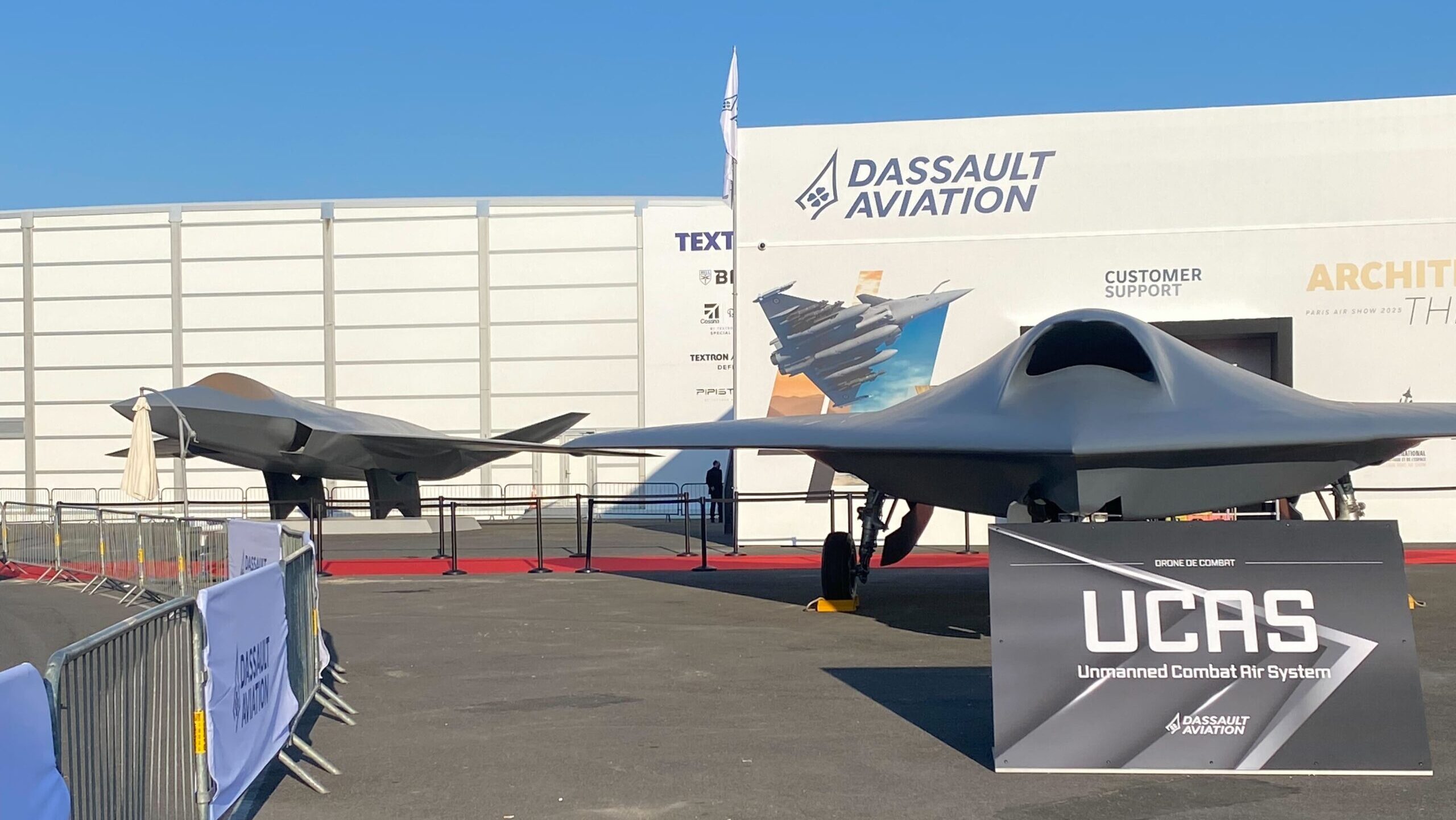
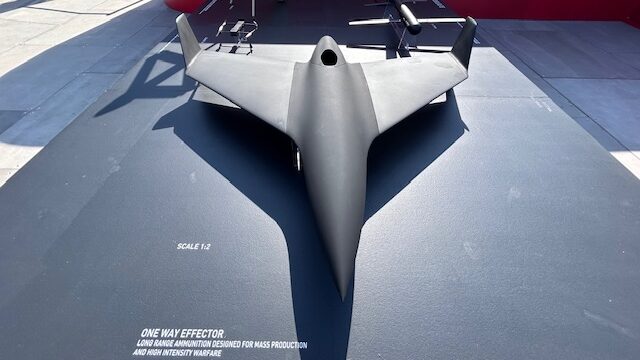
Notably, there was no major hubbub around FCAS at this year’s Air Show, the home base for Dassault where previous announcements around the jet have been made. The model aircraft, which had been the centerpiece of the French military’s corral in 2023, was relegated to second fiddle at Dassault’s stand, with a new unmanned system taking a more prominent role.
Speaking directly about the source of tension, Dumont said, “Connectivity, interoperability is a point of today [holding the program back].”
Despite the obvious frustrations from the Airbus executive, he insisted that the company remains “committed” to FCAS and has no plans to join the rival, UK, Italian and Japanese Global Combat Air Programme (GCAP).
“We need to appreciate that the point is not of returning to the ex-partner (BAE Systems) and all of a sudden joining GCAP,” said Dumont.
“Indeed, there are tensions, we need to see how we can bridge … that gap from a situation where … we are competitors with Rafael [and] Eurofighter and a number of other things, to that phase where we are married.”
Phase 2 “is the hardware part … with flights typically [planned] in the second half of this decade, we have to demonstrate … system of system principles,” said Dumont. “That means platforms that are connected. We have to demonstrate technology on the plane and the fighters, and we have to demonstrate technologies of unmanned vehicles, also known as remote carriers. That’s what we have to do with NGWS.”
The NGWS, or Next-Generation Weapon System, involves the development of a New Generation Fighter (NGF), accompanied by remotely piloted aircraft, or wingman drones, called Remote Carriers that will connect to each other digitally through a combat cloud. Additionally, the NGWS will be able to deploy autonomously or in a network with other airborne, naval, land or space-based combat or command systems.
Despite the Airbus and Dassault phase 1B impasse, Dumont noted that developments related to advancing NGWS have gone ahead as planned, including “conceptualization reviews,” though he did not directly share if a final design decision for the next generation fighter has been approved. As Breaking Defense previously reported, the final decision was supposed to be agreed in March this year.
“On the fighter program, it has gone the way it was planned,” said Dumont. “The question is much more on the way to execute the [phase 1B] program.”
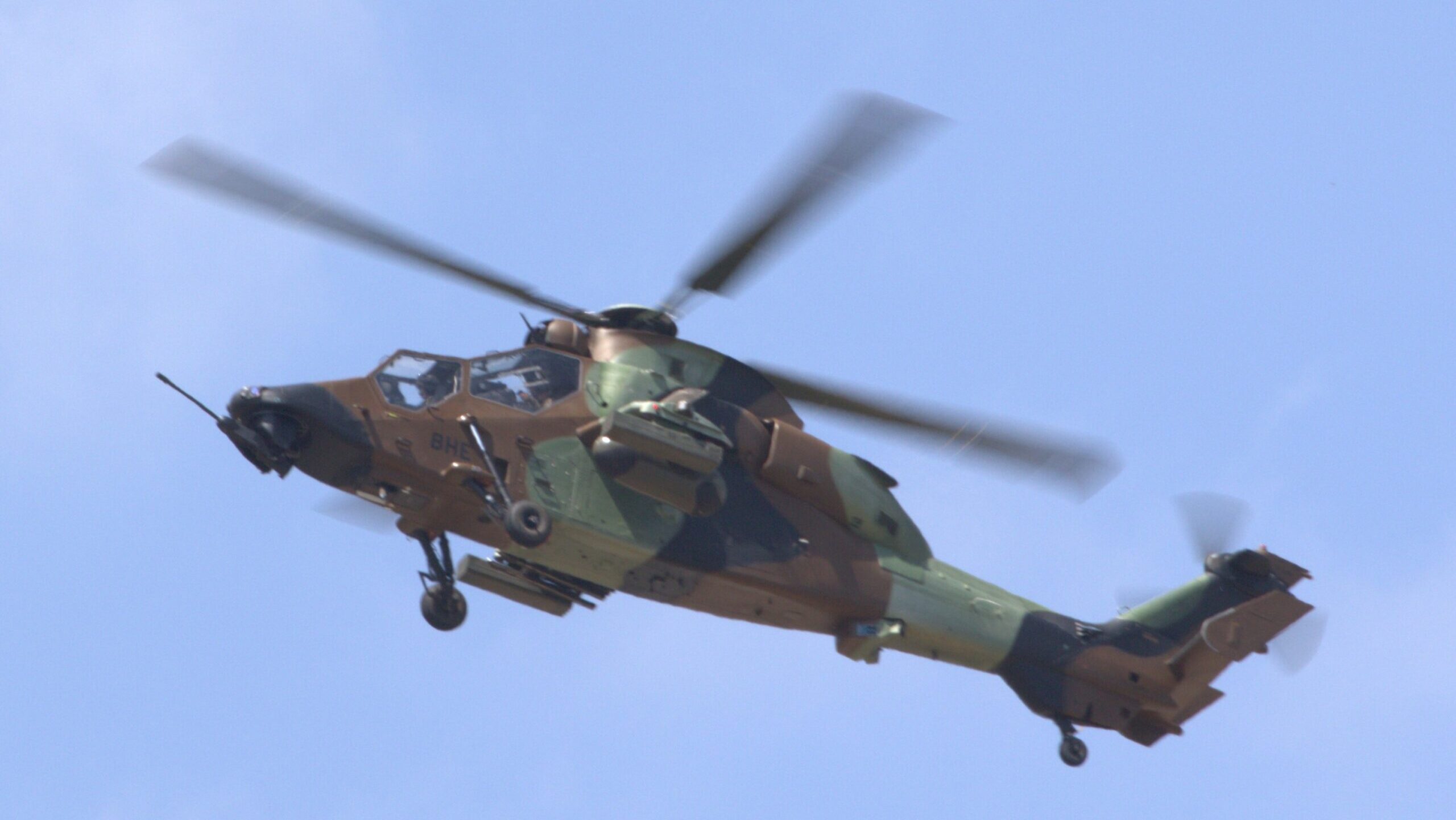
PHOTOS: Paris Air Show 2025
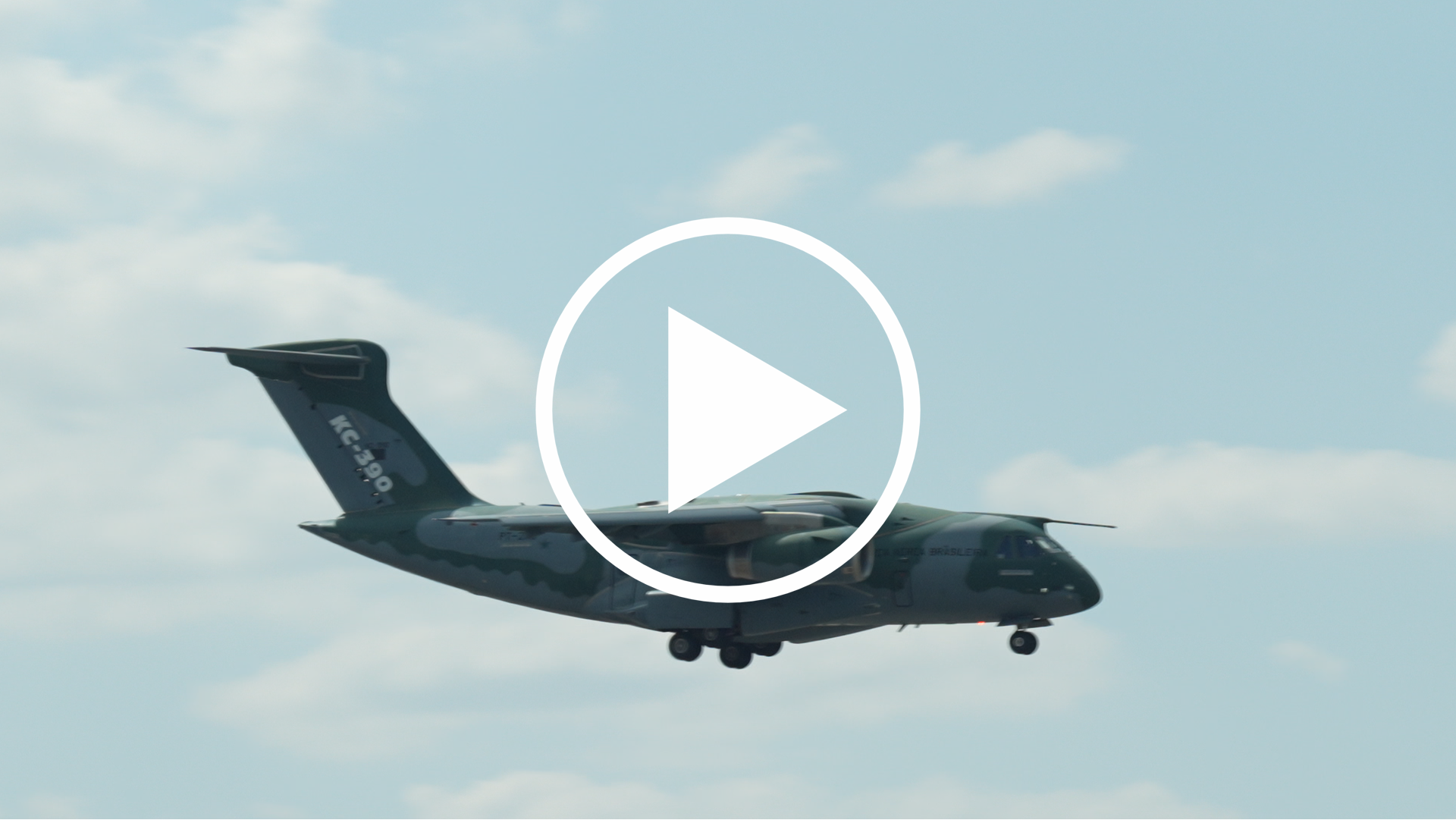
 Gallery










Breaking Defense Video