An F/A-18 Super Hornet assigned to the “Tomcatters” of Strike Fighter Squadron 31 launches from the flight deck of the Nimitz-class aircraft carrier USS Theodore Roosevelt. (U.S. Navy photo by Mass Communication Specialist 3rd Class Jonathan Snyder/Released)
SEA AIR SPACE 2024 — A recent Navy contract award may have extended the lifespan of Boeing F/A-18 Super Hornet production for a couple more years, but after failing to find additional customers, the aerospace giant plans to close up shop on the legacy fighter after 2027, a Boeing executive tells Breaking Defense.
“We ran a number of international campaigns or competitions that we were unsuccessful in previous years,” Mark Sears, Boeing vice president for fighters, said in an interview. “Those kind of played out and there are no active discussions with the Navy about additional F-18s beyond these.”
Boeing will instead slow down its build rate of two jets per month to one and a half, while gradually pivoting its St. Louis Super Hornet workforce toward other programs like the F-15EX fighter, T-7A trainer and MQ-25 refueling drone, according to Sears. “We are growing at the site. And there is a need for the talent that exists on F-18 as we slow down and ultimately complete [the order],” Sears said, adding that Boeing doesn’t expect to see “any reductions” in the company’s workforce at the site as work on the Super Hornet winds down.
“Slowing down can be just as hard as speeding up, frankly, in the production space. We know there are challenges ahead for us in delivering these airplanes,” Sears cautioned, though he noted that Boeing doesn’t expect “any gaps” in deliveries. “We’re focused on delivering these jets on time in the new delivery schedule to the Navy because we know how badly the Navy needs this capability.”
On March 19, the US Navy issued Boeing a $1.3 billion contract for 17 new Super Hornets with a final delivery planned for spring 2027 at the latest, preventing the jet’s production line from sunsetting in 2025 as previously planned. The planes first entered service in 1999.
The award tied off a lengthy negotiation: Congress originally appropriated the money for the fighter buy in fiscal years 2022 and 2023, but the Navy held off on disbursing the funds until it could reach an agreement with Boeing on technical data rights for the Super Hornet and EA-18G Growler electronic attack jet. Inflationary costs ate away at the buy in the meantime, which also reportedly stalled negotiations and eventually dropped a planned purchase of 20 planes to 17.
The two parties reached an agreement for those data rights as part of the March contract, signifying a major breakthrough on an issue that is often a sticking point with industry. The Pentagon has been pushing for more tech data packages on platforms — which consist of key manufacturing and maintenance information like design drawings and other specifications — to pave the way for more service-led or “organic” maintenance and competition for sustainment, especially as the military prepares for conflict in the Indo-Pacific. But that desire for technical data can be a thorny issue for industry, as it can involve closely-held intellectual property and threaten business models that rely on lucrative sustainment work.
The technical data issue “is one of those areas where industry and government have been at odds for a long time. And certainly Boeing on F-18 and the Navy as well. So being able to put that on a path to final resolution to get the Navy the data they need to support this platform long term with us is a really positive step,” Sears said.
RELATED: ‘Ridiculous’: Navy comptroller on contractors stiff arming his auditors
Sears explained that one chief issue complicating negotiations was what he said was relatively late request for the data rights. Since the data rights weren’t negotiated at the outset of the program, Boeing had to collate over three decades of data, alongside navigating the issue of the platform’s IP, he said.
“There’s definitely been points of contention between us and the Navy over intellectual property and rights to that intellectual property. And I think the fact that we got to a deal demonstrates that we’re comfortable with what we have signed up to and the Navy’s comfortable with the data that they’re getting in order to support their platform long term,” Sears said. The Navy did not respond to questions about the technical data deal by press time.
Sears additionally said he didn’t expect the deal to change much for Boeing’s sustainment outlook of the jet.
“A lot of the sustainment work that the Navy does, they already have an ability to do it organically or compete it. They do come to Boeing for certain capabilities or critical elements or the technical expertise that we have. It’s not necessarily like a forced function where we’re using intellectual property to hold the government accountable or force them to come back to us,” he said. “I wouldn’t say that the outlook is any different than what it was before. It may afford the Navy a bit more flexibility in terms of what their options are, but they’ve had options in many cases or in most cases already.”
On top of continued Super Hornet production, Boeing is converting older jets to what’s known as the Block 3 standard through a service life extension program. Sears said the company inducted the first Block 2 jet planned for the Block 3 upgrade in the second quarter of 2023 and plans to turn it around this month, amounting to about a year of work that’s earlier than a contract target of 15 months. Newly-built Super Hornets are delivered in the Block 3 configuration.
“When you factor in what we’re doing on SLM [service life modification] … there’ll be hundreds of Block 3 Super Hornets in the future,” he said.
The March 19 award was issued as an undefinitized contract action (UCA), meaning Boeing and the Navy are still working to come to terms on some details. Sears did not specify what areas still need to be ironed out, though he did say the UCA greenlights production and that the two parties expect the contract will be finalized “within the bounds” of the UCA.
“There’s nothing substantial that remains. There’s some minor things that are in the details of a definitized contract that we still have to work through. But there are no significant obstacles to getting this definitized,” he said.
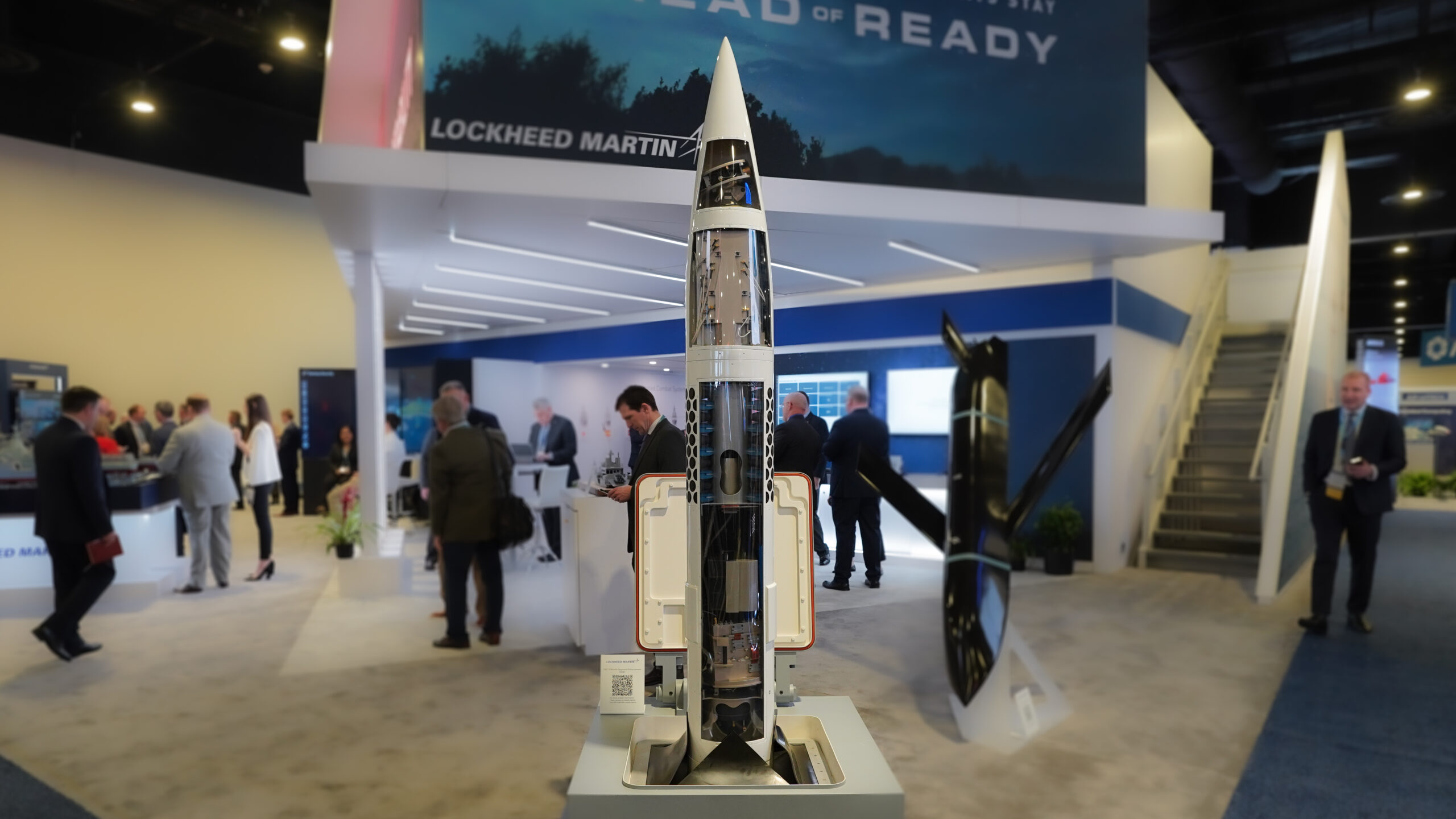
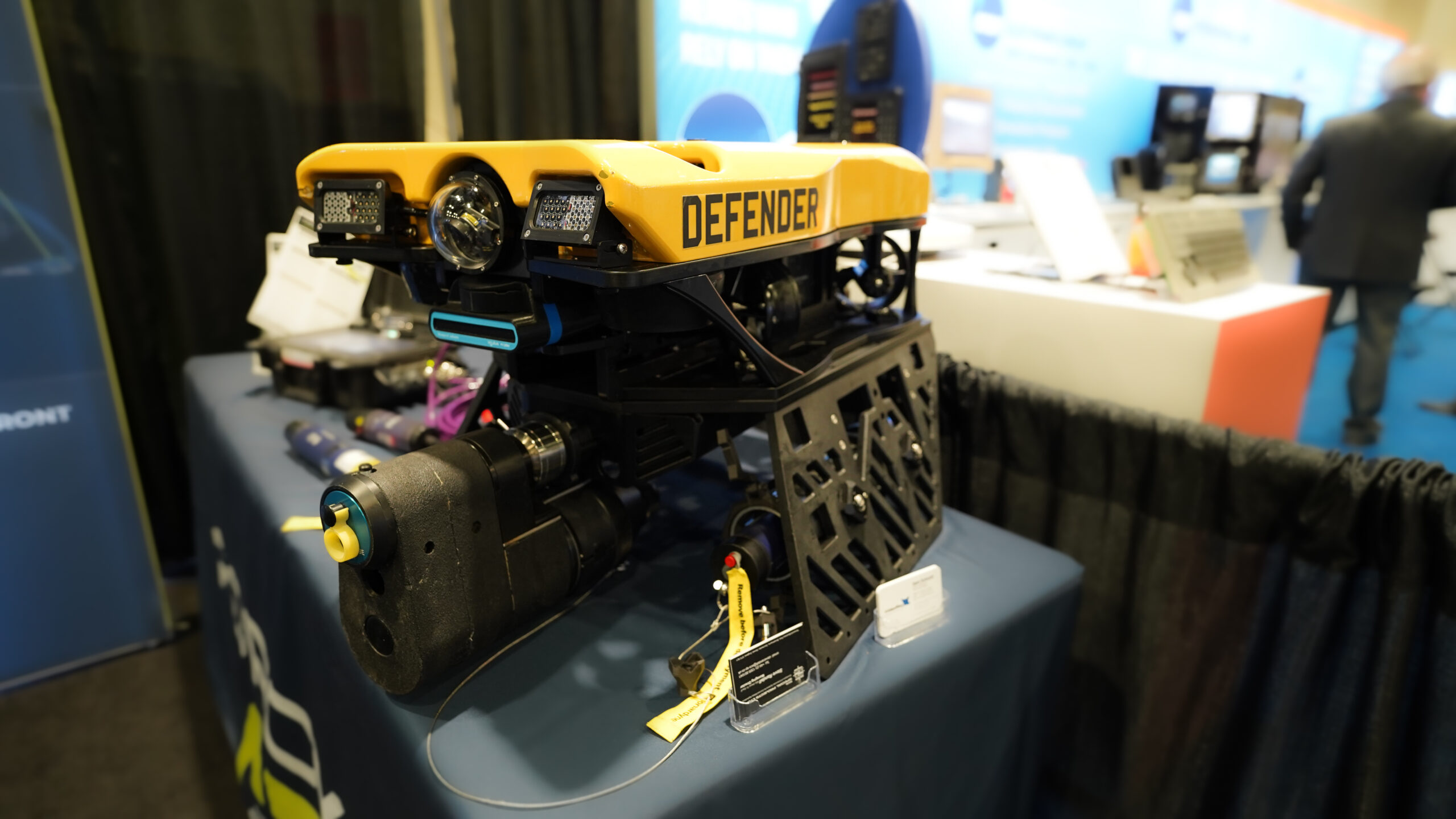
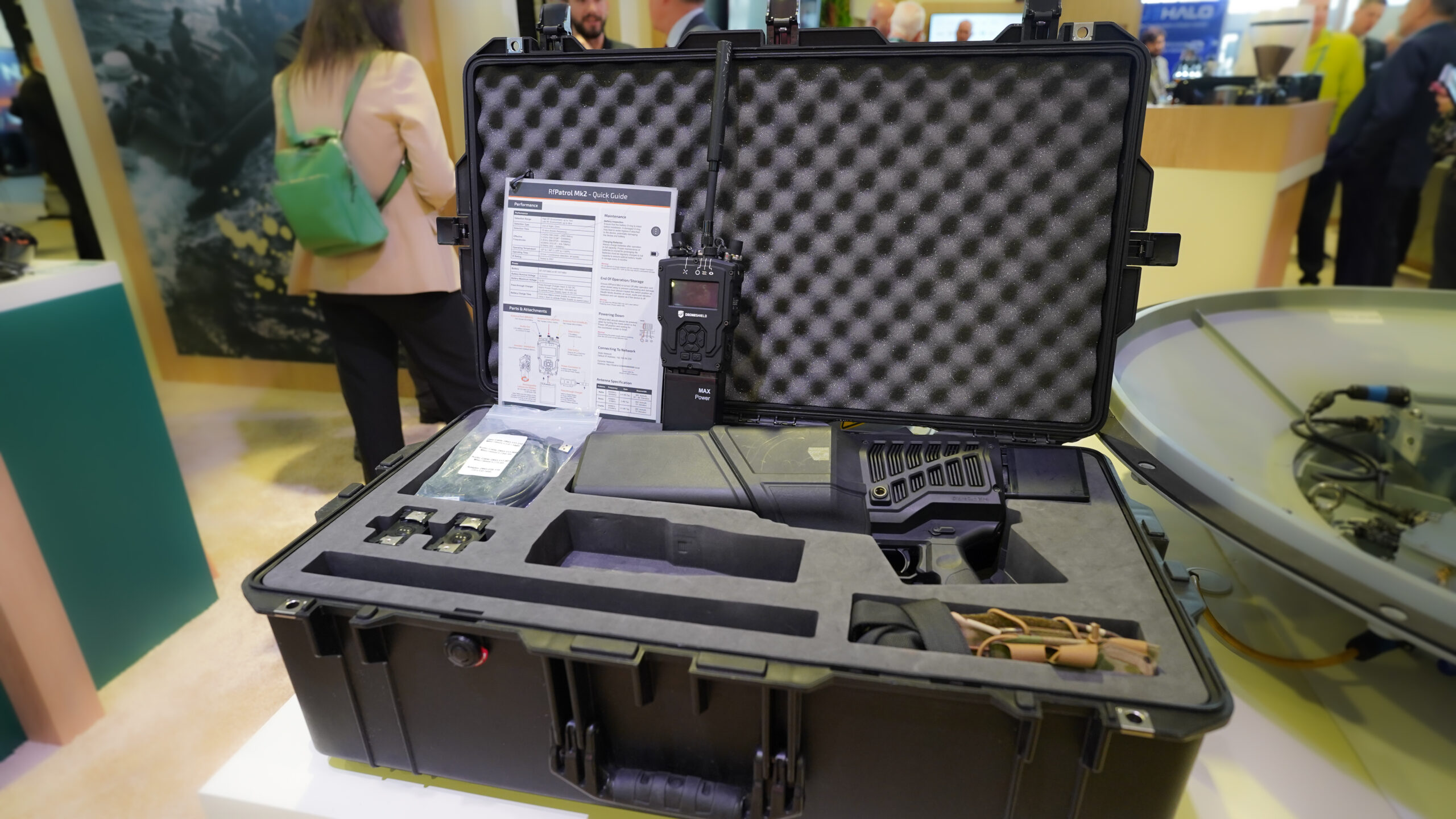
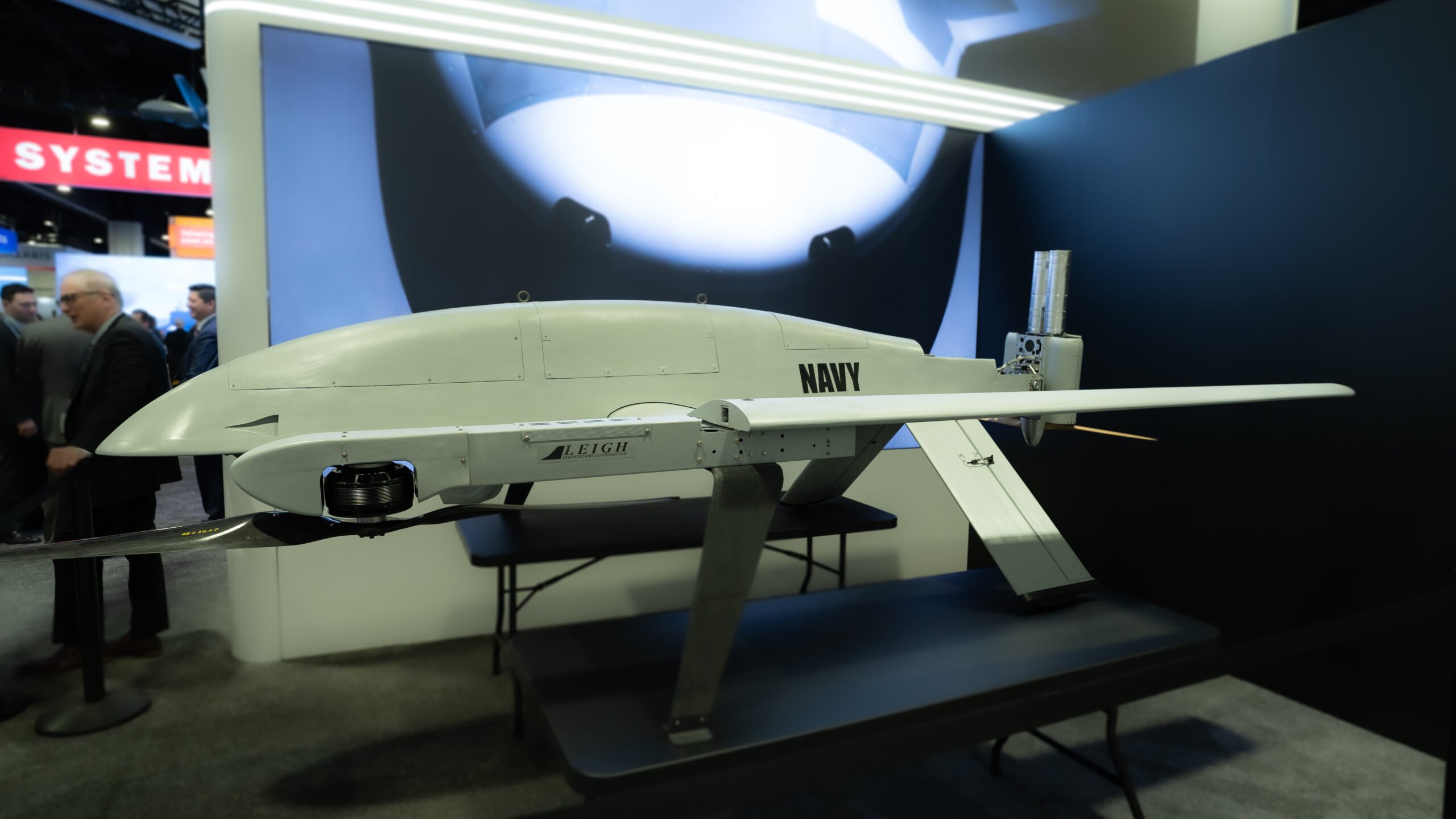
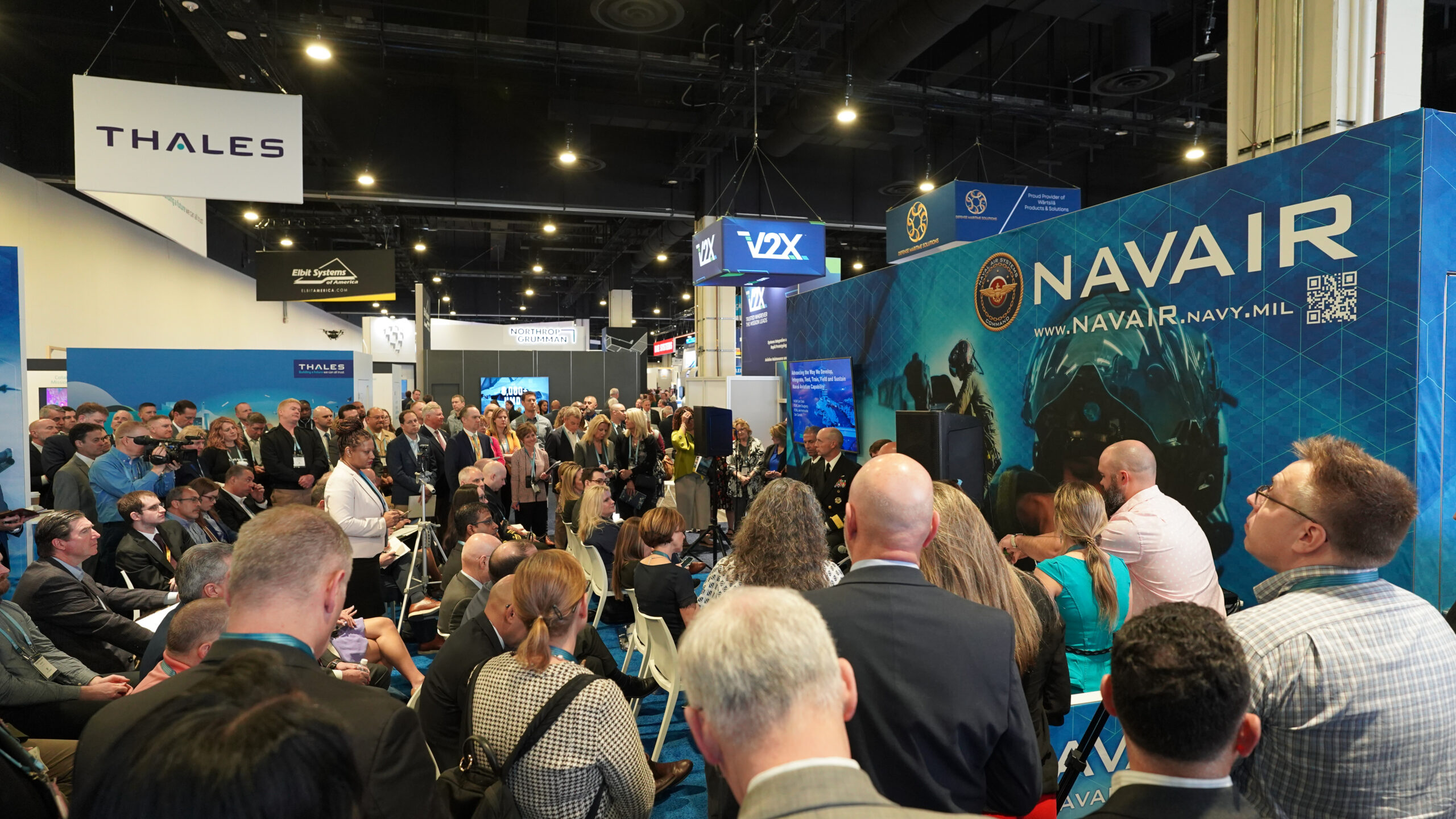
PHOTOS: Sea Air Space 2024

 Gallery













Breaking Defense Video