A mock up of new ASW frigates being acquired by Dutch and Belgian navies. (Netherlands MoD)
Update 4/6/2023 at 9:46 am ET: This story has been updated with additional information from the Netherlands Ministry of Defense.
BELFAST — The Netherlands and European neighbor Belgium have announced plans to acquire two ASW Frigates (ASWF), per country, at a joint estimated cost of nearly €4 billion ($4.4 billion).
Both countries will replace M-class frigates with the new Damen-built vessels, the first of which is expected to enter service with the Royal Netherlands Navy in 2029. The first Belgian ship is expected to be delivered in 2030.
In a Monday letter to the Dutch Parliament setting out the central details of the procurement, a translation of which was obtained by Breaking Defense, the Netherlands Ministry of Defence (MoD) defined the vessel as a “robust” frigate designed to act against surface targets, on both sea and land, as well as against submarines.
A spokesperson for the Netherlands MoD told Breaking Defense the Dutch parliament is expected to formally approve the acquisition during a April 19 debate. Belgium’s Council of Ministers has already signed off on the procurement.
The Netherlands MoD has allocated a total budget of €1.9 billion for the acquisition through to 2031, but it increased funding by €251 million this year, compared to the level set in 2022, because of higher costs of subsystems, additional ammunition and additional design requirements meant to make the frigate “quieter and more shock-resistant,” according to the parliamentary letter.
Despite the cost increases, the Netherlands MoD said it deemed the €1.9 billion budget “sufficient” to cover the entirety of the program, adding that industry contracts soon to be signed with Damen and Thales include “binding stipulations on costs and delivery schedule.”
Belgian minister of defense Ludivine Dedonder said Monday that the frigates will cost the country “around €2 billion” — a sum she noted was “more expensive” than a 2018 forecast because of inflation and the decision to “fully equip” them with armaments and sensors.
Thales Netherlands will equip the frigates with an integrated fire and radar control system, but “around 40” subsystem and weapons contracts are still to be signed, according to the Netherlands MoD letter. Those include a 76mm gun agreement and “weapon systems for countering surface targets and air targets, sonar equipment, communications equipment, and electronic warfare equipment.”
Besides the 76mm gun, two 40mm guns and remote controlled weapon systems will “provide 360 degree short range force protection,” according to the Netherlands MoD. The frigates will also be armed with Raytheon Mk54 torpedoes, Rolling Airframe Missiles (RAM), Evolved Sea Sparrow Missile (ESSM) Block 2 short-to-medium range munitions and Kongsberg’s Naval Strike Missile. Detection of air and surface targets will be covered by Thales’ Above Water Warfare System (AWWS).
The radar and fire control system will bring information in from multiple sensors, the MoD letter says, in order to help crews decide what arms to employ against threats.
The frigates will be able to host a “basic crew” of 115 personnel and are to be designed with a 6,400 tonne (7,055 ton) water displacement capacity. An original figure of almost 5,500 tonne (6,062 ton) was scrapped to accommodate underwater noise and shock resistance requirements.
NH90 naval helicopters can also be deployed from the frigates for submarine detection. Additionally, the vessels will be expected to play a role in securing vulnerable units like amphibious ships, supply ships or mine-fighting vessels, noted the Netherlands MoD.
The Dutch and Belgian navies have a strong history of collaboration and are also joint partners on the mine countermeasure vessels (rMCM) programme, led industrially by France’s Naval Group. A total of 12 ships are under order, six per country, the first of which will be delivered to Belgium at the end of 2024.
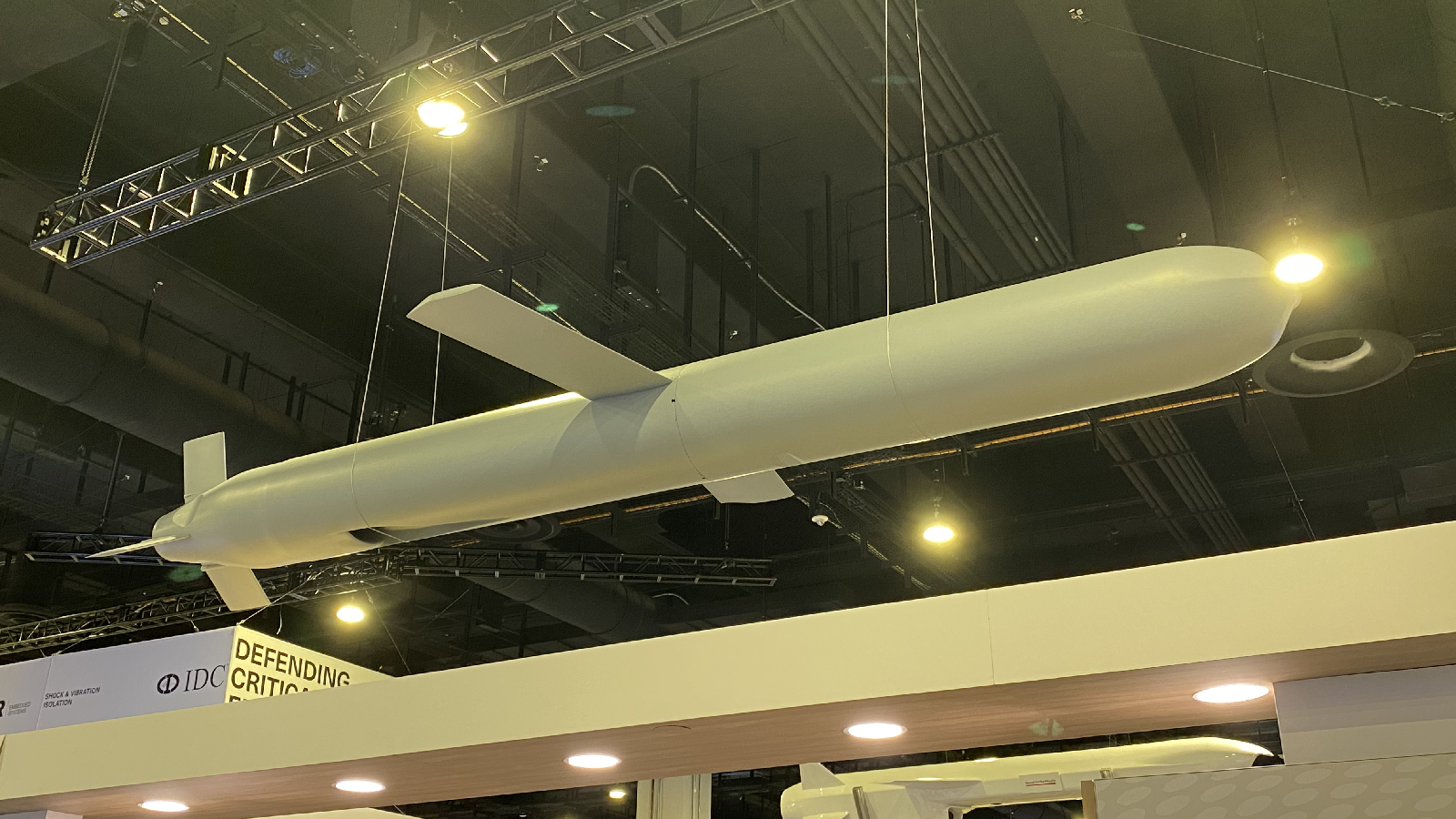
Separately, the Netherlands MoD expects to conduct testing of American-made Tomahawk cruise missiles from an air defense and command (LCF) Frigate in 2024 or “early 2025,” under the maritime strike weapons program, according to a separate letter it sent to parliament on Monday, a translation of which was also obtained by Breaking Defense.
The letter said the Netherlands was consulting with the US and, with experience gained from the tests, would proceed with integration with the frigates in a few years.
Amsterdam also wants to arm two Walrus-class submarines and future submarines with the Raytheon made missile.
Tomahawk production for the LCF frigates is set to take place in 2026 and as the fleet of four ships are expected to undergo “successive major maintenance” from 2025-2029, in order to support integration of the missile, a first frigate equipped with Tomahawk “may” be operational in 2027.
The first Walrus-class submarine armed with the missile could be operational in 2029, but that depends on the availability of the right version of the Tomahawk, according to the MoD.
It said that other weapons like the French Missile de Croisière Naval (MdCN) and the Anglo-French Future Cruise/Anti-Ship Weapon (FC-ASW) were assessed but the range of both munitions was deemed inadequate. Tomahawk has a range beyond 1,000 kilometers (621 miles) and can be “assigned to another target” after launch, noted the MoD.
PHOTOS: Sea-Air-Space 2023

 Gallery









Breaking Defense Video